



Lower Back and Hip Pain: Common Causes and Solutions
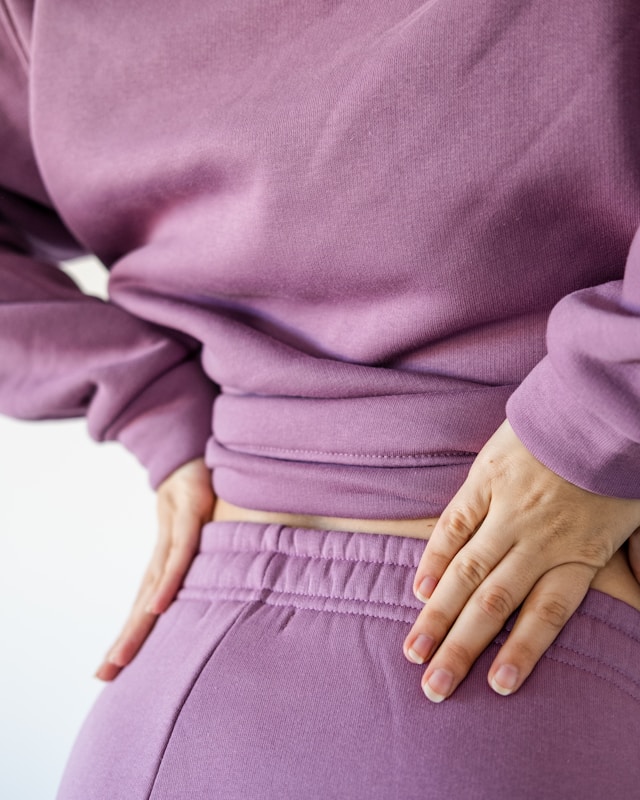
While the lower back and hips are close together on the human body, they’re more interconnected than you might think. Not only does lower back and hip pain often occur simultaneously, but these regions are particularly susceptible to referred pain (pain that occurs in one area, but originates in another). It’s no wonder that many healthcare professionals check the hips in response to lower back pain complaints, and vice versa.
Understanding the Connection Between Lower Back and Hip Pain
The lower back and hips are linked by the sacroiliac, or SI, joint, and a collection of muscles and nerves. The glute muscles, hamstrings, and psoas all extend across both the back and lower back, while the sciatic nerve begins in the lower back and travels through the hips, down the backs of the legs.
Since the spine and hips are closely connected by a system of muscles, nerves, and the SI joint, hip problems can manifest as lower back pain, and vice versa. An injury or misalignment in the spine or hips can force the other area to compensate, undergoing more stress than it otherwise would. This may throw off your posture, cause abnormal movement patterns, and eventually lead to pain.
Common Causes of Lower Back and Hip Pain
Common causes of lower back and hip pain include muscle strains and sprains, pinched nerves, arthritis, herniated discs, and sacroiliac joint dysfunction.
Muscle Strains and Sprains
Muscle strains and sprains are very common – and often mild – injuries that can trigger hip and lower back pain. A strain is a pulled or torn muscle or tendon, while a sprain is a pulled or torn ligament.
Typical muscle strain and sprain symptoms include:
- Pain and tenderness
- Stiffness and reduced range of motion
- Muscle spasms
- Swelling
Pinched Nerves
When nearby muscle or bone tissue presses on a nerve, it’s called a pinched, compressed, or impinged nerve. Pinched nerves can occur in the lower back or hips and may cause:
- Tingling
- Numbness
- Weakness
- Radiating pain
A pinched nerve in the hip typically refers to the sciatic or pudendal nerve, and it’s usually called nerve entrapment. The sciatic nerve, which extends from the lower back through the hips, can get trapped under bones or muscles in the back of the hips. The pudendal nerve, which supplies the pelvic floor muscles, perineum, and genitals, can also become trapped by various muscles or other tissues.
Arthritis
Arthritis is an umbrella term for joint conditions that cause joint inflammation. It can affect the spinal joints, called facet joints, and the hips. The most common type of arthritis is osteoarthritis, also known as “wear and tear” arthritis, and it affects around 32.5 million adults in the United States.
Typical osteoarthritis symptoms include:
- Joint pain, especially with movement
- Joint stiffness and swelling
- Reduced range of motion
- Joint deformity (in advanced cases)
Herniated Discs
When a spinal disc’s soft interior presses out through a tear in the disc’s tough outer shell, it’s called a herniated, slipped, or ruptured disc. A herniated disc is a spinal injury, so lower back pain is a telltale symptom. However, especially when a disc ruptures in the lower spine, it can press on nerves that travel through the hips, leading to hip pain.
Other possible lumbar herniated disc symptoms include:
- Pain in the back, hips, buttocks, or lower extremities
- Pain that worsens after periods of sitting or standing, at night, while sneezing or coughing, or while bending the spine backward
- Tingling and numbness extending from the back to the lower extremities
Sacroiliac Joint Dysfunction
Sacroiliac (SI) joint dysfunction is a problem with the sacroiliac joints, which link the bottom of the spine to the pelvis. Typically, the joint either moves abnormally (either too much or too little) or is misaligned, leading to pain. Since the SI joint directly connects the spine and the pelvis, it can cause pain in the lower back, hips, buttocks, and groin.
Along with sharp pain in the lower back, hips, and lower extremities, SI joint dysfunction can cause:
- Pain that worsens after prolonged periods of standing, sitting, or lying down
- Pain that worsens with physical activity
- Lower back and hip stiffness, especially in the morning
- Lower back and hip instability
Diagnosis and Assessment for Lower Back and Hip Pain
When to See a Doctor
It’s time to see a doctor for hip pain and lower back pain when:
- The pain lasts for longer than a few weeks
- At-home remedies, like rest and heat/cold therapy, offer no improvement in your pain levels
- The pain is severe, debilitating, or makes you unable to bear weight on your legs
- The pain occurs after an accident or sudden trauma, like a fall or car accident
- The pain occurs with red flag symptoms, like:
- Changes in bladder or bowel function
- Fever or chills
- Nausea or vomiting
- Unexplained weight loss
- Severe neurological symptoms, like numbness, tingling, and weakness
When in doubt, if your lower back and hip pain is starting to worry you, contact your doctor for further guidance.
Common Diagnostic Procedures
Your doctor may perform various diagnostic tests and procedures to determine your pain’s underlying cause. These often include:
- A complete medical and family history
- A physical exam to identify any abnormalities and evaluate your symptoms
- Imaging tests (like an X-ray, CT scan, or MRI) to view the inside of the body and identify tissue damage
- Blood work and/or urine testing to pinpoint signs of certain infections and conditions
Self-Assessment Guidelines
While not a substitute for a professional medical exam, self-assessment strategies can help you better understand if your pain requires immediate medical attention.
- Does your pain worsen when you bear weight on your legs? If so, it may be stemming from your hips.
- Does your pain burn, tingle, or radiate into the extremities? If so, you may be dealing with nerve irritation or impingement.
- Does your pain improve or worsen with movement or changes in position? If so, it may be mechanical pain.
- Is your pain constant, intense, and possibly affecting your ability to stay asleep? If so, it may be non-mechanical and more likely to require immediate medical attention.
Regain your mobility with Premia Spine! Contact us now
David danced at his son's wedding Bonnie explains why TOPS surgery was the right decision for her Wade is back to hiking Scott speaks about going to surgeryRegain your mobility with Premia Spine!



Treatment Options and Solutions
Treatment options for lower back and hip pain include conservative remedies, lifestyle modifications, medical interventions, physical therapy, and spine surgery.
Conservative Treatments and Lifestyle Modifications
The following conservative treatments are often sufficient to calm mild cases of lower back and hip pain:
- Resting from taxing physical activity (while avoiding prolonged bed rest)
- Heat and cold therapy
- Stress management strategies, like mindfulness, meditation, and yoga
- Quitting smoking and limiting alcohol consumption
- Improving your posture
Medical Interventions
Medical interventions like painkillers, muscle relaxants, and epidural steroid injections can help keep your pain levels in check while you recover. While not viewed as a cure for back and hip pain, by any means, medications can be a valuable tool to manage your discomfort as your body heals.
Physical Therapy
Physical therapy is drug-free, non-invasive, and focuses on improving mobility, muscle strength, and movement patterns. Through stretches, exercises, manual therapies (like massage), and complementary therapies (like dry needling and acupuncture), a licensed PT can help you recover from a range of musculoskeletal conditions, including lower back and hip pain.
Spine Surgery
After six to 12 months of trying conservative treatments to no avail, your physician may suggest surgery. While most instances of lower back and hip pain don’t require surgery, it may be required in severe or advanced cases to prevent worsening pain and restore your quality of life.
The most common type of spine surgery is decompression with spinal fusion. Spinal decompression removes tissues pressing on nerves, while fusion permanently joins two or more vertebrae to prevent instability.

The TOPS System is a spinal fusion alternative for lumbar spondylolisthesis and spinal stenosis. With approval and a superior-to-fusion claim from the FDA, it’s an exciting treatment option for individuals looking to achieve lumbar pain relief without the permanent mobility restrictions and other risks associated with fusion.
TOPS is a dynamic implant device that replaces the tissues removed during spinal decompression surgery and restores a controlled range of motion in the spine. It allows the spine to move in all directions, providing stability while allowing you to return to an active lifestyle.
Prevention Strategies
Preventing hip and lower back pain is ideal, as it helps you avoid the need for medical intervention altogether. Maintaining an active lifestyle with regular low-impact exercise, good nutrition, and proper posture is the best way to keep your spine and hips healthy for years to come.
