
Regain natural spine motion.
Conquer lumbar spinal stenosis and spondylolisthesis.
-
 Freedom
from fusion
Freedom
from fusion
-
 Protect your adjacent levels
-
 Keep
Keep
moving

Get More Information
-
David B.
 I’ll be dancing at my kid’s wedding
“15 days after surgery I was walking almost two miles. I can feel my legs again. Before the surgery, the neuropathy was in the bottoms of my feet, and I haven’t felt the bottoms of my feet for three years.”
-
Keith T.
I golfed in Scotland“I was walking the day of the surgery. I’ve gone to Scotland to play golf. We’ve just had our first grandchild. I would not have been able to pick him up 6 months ago. I can hold him now & watch him grow up.”
-
Richard S.
Fishing again“My back pain made me retire early. It affected relationships with the grandkids. If I moved, I was on a walker. Three months after TOPS I was up and did my first fishing trip. I was amazed.”
-
Ronald M.
I't s almost like a miracle“I had to think about taking steps, it was scary. When I ran across the TOPS device, it made a lot of sense to me. It’s been about a year since my surgery, and I can do pretty much anything.”
-
Juliene L.
I'm lifting my grandchildren no pain“I had so much pain in my legs. I could barely walk. I couldn’t lift my grandchildren. After TOPS I could walk around the house, I had no pain. I am able to go on a hike without any problem.”
-
Jill D.
Back in the Saddle“When I saw TOPS, I could see the difference between that and fusion. At the moment I woke up, I did not have any pain going down my leg. I’m back into riding horses and taking care of the farm.”
-
Marianne G.
I got my life back“A few weeks out into my recovery period, my quality of life was so much better. And I was like, “Oh my gosh, I can walk and I’m not feeling any pain.” Having the surgery was truly a life changer.”
-
Karl K.
I’m traveling the world and fishing“One year after surgery I am relatively pain free and have essentially the same range of motion that I had before my back problems. I was back doing most everything that I wanted to do after six months.” -
Annette C.
I visited Italy after my TOPS“I wanted to be able to bend and move freely. The TOPS procedure has given me the ability to travel again. The pain I had in my legs is gone. The recovery from the TOPS procedure was simple and easy.”
-
David F.
I got my life back“Almost immediately after the TOPS surgery the discomfort was gone. I was able to climb stairs the day of the surgery and began walking the next day. The investment in gaining your life back is worth it.” -
Susan S.
Golf, pickleball, I can do it all“I have been pain-free and able to get back to regular activities, such as golf and pickleball. The recovery was quick. I was able to walk about 2 miles a day at 4 weeks after surgery.”
-
Eric M.
I’m back to hunting, riding, & skiing“TOPS has given me my life back! I’ve been snowmobiling at Crater Lake and had a motorcycle weekend to Mt. Hood and Mt. Adams. I’m back to hunting elk again, which is a passion of mine.” -
Heather V.
I’m skiing & playing tennis again“I am now 8 months post-op and doing very well! I went back to tennis and weight training, and I can do my job and daily activities normally. It makes me feel thankful, grateful and happy post-surgery.”
-
James J.
I’m biking, fishing & walking again“Prior to surgery, I could only walk 1,200 steps and stand for 5 minutes before my leg started going numb. After surgery and rehab, I was able to walk 3 miles without resting. The surgery gave me my life back.”
-
Robert S.
My Stenosis is gone. I’m Skiing again“You can clearly see the spondylolisthesis and stenosis in my MRI’s. In post-surgery x-rays, the area of stenosis is totally open and the vertebrae are stabilized. I’m doing great!!”
-
Jody T.
I hiked all over New Zealand“My recovery from surgery continues to go well, and I could not be more grateful for TOPS. I hiked all over New Zealand and climbed a 1,000-foot waterfall! That never would have been possible before TOPS!” -
Lee H.
I’m active & enjoying cycling“I am able to do everything I want to do as far as activities and sports. I’m very active. If you are a candidate for TOPS, take my advice and do it! I’ve never regretted it.”
-
Theresa V.
I’ll be dancing at my son’s wedding“Simple joys like walking on the beach, hiking scenic trails across various states, and anticipating dancing at my son’s upcoming wedding became vivid possibilities rather than distant dreams.”
-
Tony A.
I’m pain-free & back to playing sports“This surgery was life-changing! I was able to play pickleball 6 weeks after my surgery and have been playing 3-4 days a week with no back pain. I am also back to playing golf with no swing restrictions.”
-
Bill M.
I hiked Yellowstone with my kids“After TOPS surgery, I healed and started rehab exercises. By 6 months, I was pain free, and I could touch my toes again. I’ve been able to hike trails in Yellowstone as well as walking 3-4 times a week!”
-
Karen E.
I’m as active as ever“Before surgery, I couldn’t walk my dogs or go shopping. Now, I walk 3 miles and go to the gym. I am back to doing my daily routine, walking dogs, working in the yard, and living life. I am so thankful for TOPS.”
-
Tony H.
I’m back to my active life“I was walking the day after surgery without the back pain that had become part of my life. Since then, I am back to walking, jogging, swimming, and playing golf, all without pain.”
-
John B.
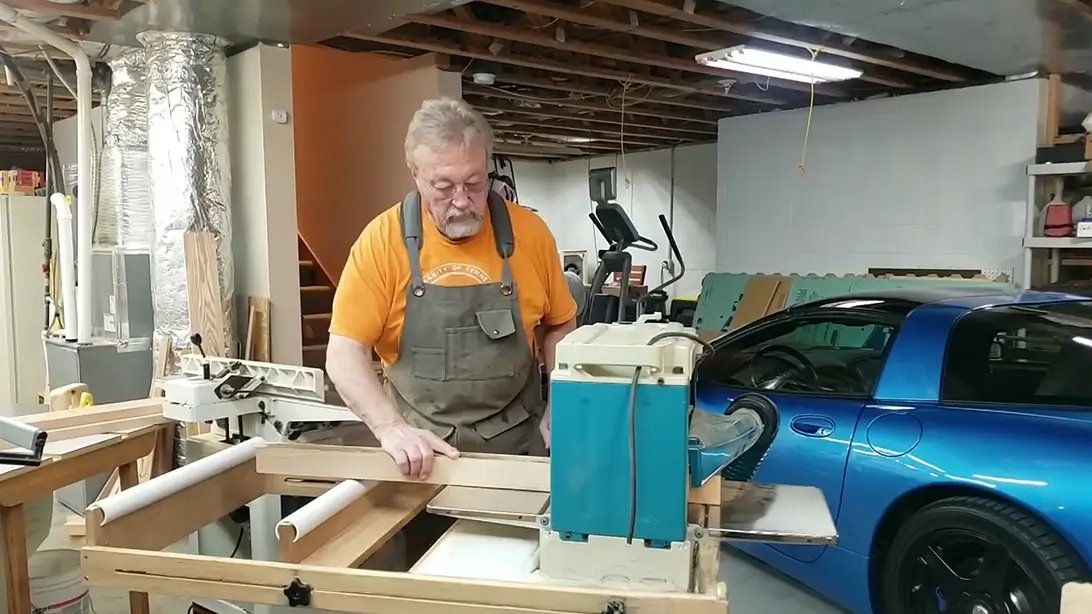
I’m back to living life“Lower back pain was virtually gone by the first morning after surgery. I could easily walk the next morning, and I could stand by myself in just a few days. I am able to do light work in my wood shop.”
-
Raymond H.
I’m able to camp again“I highly recommend the TOPS implant. My post-surgery recovery was quick. To me, TOPS is the way to go. The recovery time was minimal and pain free.”
-
John R.
My life is back to normal again“I participate in a weekly yoga class and do work around the house. I enjoy fishing and traveling. I can now walk long distances. I can’t remember the last time I was able to do that. TOPS is life changing.”
-
Pam B.
I’m biking 10 miles after 4 months“The TOPS surgery is absolutely amazing. I went biking this week in Huntington Beach California, biking 10 miles 4 months after the surgery! It’s a miracle, it’s amazing! Now I can exercise, walk, bike and swim!”
-
Maria D.
I’m back to golfing & exercising“I had so much pain before this surgery. I am now 9 months post-op. Movement is medicine, and I got stronger with Pilates. I played a round of golf on Tuesday! After playing, I was not in pain as I used to be.”






-
Who is a good candidate for the TOPS procedure?
Surgeons explain how TOPS is an option for patients with lumbar spinal stenosis and spondylolisthesis. They discuss the symptoms, imaging findings, and clinical factors of ideal candidates.
-
Why Choose TOPS Instead of Fusion?
Surgeons explain how TOPS stabilizes the spine while preserving motion at the treated level. Fusion immobilizes the spine. TOPS also significantly reduces the risk of adjacent segment disease.
-
Can patients return to an active lifestyle & sports after TOPS?
Surgeons explain how patients resume active lifestyles post-op, including skiing, fishing, mountain biking, hiking, and running. Returning to these activities can help rebuild strength and retrain muscles.
-
When is the TOPS procedure not the right treatment option?
Surgeons explain that TOPS may not be appropriate for every patient or condition. Factors such as spinal anatomy, instability, prior surgery, or other medical considerations may affect if TOPS is recommended.
-
How does TOPS reduce adjacent segment disease compared to spinal fusion?
Surgeons explain how TOPS preserves motion at the treated level which helps reduce stress on levels above and below. Fusion eliminates motion at the treated level and may increase stress on nearby levels.
-
What is recovery like for TOPS surgery compared to fusion?
Surgeons explain that TOPS patients often experience much faster recovery and earlier return to activity than fusion patients. Fusions take longer to heal due to bones needing to heal across the fused segment.
-
When do patients typically stop using pain medications after a TOPS procedure?
Surgeons discuss how TOPS patients may need less pain medication after surgery compared with fusion patients. Because TOPS does not require fusion, some patients may avoid opioids entirely and use anti-inflammatory medications instead.
-
Is the TOPS procedure covered by Medicare or commercial insurance?
Medicare coverage for the TOPS procedure is generally more straightforward than commercial insurance. Surgeons explain that Medicare Advantage patients may still face issues with insurance, but appeals can often help resolve denials.


What is TOPS™?
The TOPS™ System is the leading proven treatment to relieve back and leg pain while helping you move naturally.
Unlike fusion, it stabilizes your spine while preserving motion. TOPS helps you become more active. The implant supports normal bending, twisting and rotation so you can return to your desired activities.
Most patients experience immediate and lasting pain relief and are walking the same day of surgery.
Clinical studies show TOPS effectively reduces back and leg pain and helps improve mobility and overall quality of life.
In fact, the FDA for the first time granted TOPS the label of “superior to fusion.” While fusion places extra stress on nearby joints of the spine, TOPS helps preserve motion to reduce strain on adjacent levels.


Sites Across the US
Quick Search Options
Quick Search Options
More Info...
-
Back Pain After an Epidural
Epidurals are prominent pain relief treatments for childbirth, surgery, and back pain; they involve injecting medication into the space around the spinal nerves in the lower back. Unfortunately, back pain is a prevalent epidural side effect: in a Medicina study, 30.38% of postpartum women who received epidural analgesia reported back pain in the days after delivery, and 31.65% of the epidural group still had back pain six months post-delivery.
-
Symptoms of Loose Screws After Spinal Fusion
In spinal fusion and other spinal procedures, hardware is essential for stability. Pedicle screws are commonly used to secure the vertebrae and encourage healing. Unfortunately, screw loosening is a prevalent complication of spinal fusion, occurring in up to 60% of patients.
-
What Are the Symptoms of L4-L5 Nerve Damage?
Lumbar nerve damage is a common cause of chronic lower back pain. Left untreated, it can pose the risk of permanent complications. The most common symptoms of L4-L5 nerve damage are lower back pain that radiates into the leg(s); numbness or tingling in the thigh, shin, or top of the foot; and weakness when lifting the foot or straightening the knee (called “foot drop”). In more severe cases, it can cause bladder or bowel dysfunction, sudden, severe numbness, and difficulty walking.
-
Lower Back Pain and Nausea: What’s the Connection and How to Find Relief
Nausea is never a welcome sensation. But when it occurs along with other symptoms, like lower back pain, you may worry that a deeper issue is at play.
-
Causes of Back Pain in Men
Back pain affects people of all ages and genders. Although back pain is more common in women than in men, it also affects a significant portion of the male population: In 2018, 28% of men and 31.6% of women experienced lower back pain in the last 3 months, according to a CDC survey. Given that back pain can lead to diminished mobility and a decreased quality of life, it should be given prompt medical attention.
-
What Causes Lower Back Pain in Females?
While lower back pain is a universal health concern, it’s been proven to affect women more often than men: In the results of a CDC survey, 31.6% of women experienced lower back pain in the last 3 months, compared to 28% of men. Although conditions like sprains, strains, and spinal conditions affect both men and women, menstruation, menopause, pregnancy, and gynecological conditions contribute to the higher prevalence of lower back pain in females.
-
Buttock Pain After Laminectomy: Causes, Treatment, and Recovery
Buttock pain after laminectomy is possible, particularly in patients who develop post-laminectomy syndrome or piriformis syndrome. Other possible causes include scar tissue formation, sacroiliac joint dysfunction, and weakened glute muscles. The root of your pain depends on the spinal level that was operated on, whether fusion was involved, and how effectively your body heals.
-
Scar Tissue and Chronic Pain After Spinal Fusion Surgery: Causes, Timelines, and Advanced Treatments
Scar tissue is your body’s normal response to tissue damage. It helps your body close wounds and recover. But when it develops in excess or too close to a nerve, it can trigger ongoing pain and compromise the benefits you expect to gain from spinal surgery. And if you’re affected, you’re not alone: persistent pain after spinal surgery has a prevalence rate of 14.97%, according to a meta-analysis from Cureus.
-
What Is a Spinal Fusion? Overview, Types, & Recovery Timeline
Spinal fusion is a type of spinal surgery that permanently joins two or more vertebrae (the bones that form the spine) into a single bone. This eliminates all motion at the affected spinal level, helping to reduce the pain, instability, or nerve compression associated with conditions like spinal stenosis, spondylolisthesis, or herniated disc. Over 400,000 spinal fusion surgeries are performed each year in the U.S. (according to The Spine Journal), making it one of today’s most common spine procedures.