



Multilevel Fusion Surgery to Cure Lower Back Pain
Multilevel fusion is a surgical procedure that involves permanently fusing two or more vertebrae to stabilize the spine. In this article, we’ll explore all that it entails as a lower back pain treatment, including surgical approaches, benefits, recovery timelines, and alternatives to consider.
Understanding Multilevel Fusion: Types, Procedure, & Goals
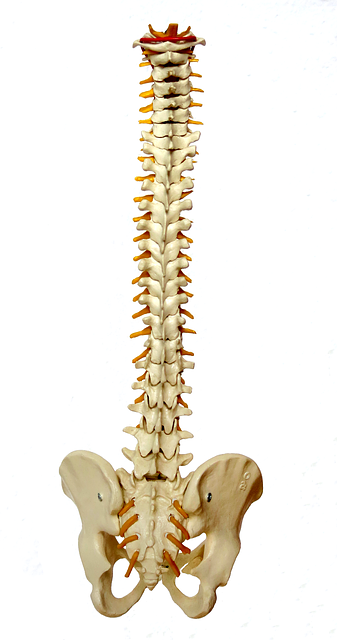
To better understand multilevel fusion, we first need to understand basic spinal anatomy. The spine consists of 33 vertebrae, which are typically categorized into five regions:
- The cervical spine (neck region) spanning C1 through C7
- The thoracic spine (upper and mid-back region) consisting of T1 through T12
- The lumbar spine (lower back) including L1 through L5
- The sacrum, a triangular bony structure including five fused vertebrae that join the pelvis to the spine
- The coccyx, or tailbone, is a much smaller triangular bony structure below the sacrum consisting of two to four partially fused vertebrae
Different Types of Fusion Procedures
Different types of multilevel fusion procedures include:
- Transforaminal lumbar interbody fusion, or TLIF, is a type of fusion in which the surgeon accesses the vertebrae through the foramina—small bony openings located between spinal segments. It has a posterior approach, meaning the surgeon enters the spine through the side of the body. For this reason, it’s commonly recommended for one-sided spinal degeneration.
- With anterior lumbar interbody fusion, or ALIF, the surgeon creates an incision in the front of the body, maneuvering through the abdominal organs and muscles to reach the spine. This requires them to move the sac that shrouds many of these organs, called the peritoneum, to the side.
- Lateral lumbar interbody fusion, or LLIF, involves a flank incision, through which the surgeon accesses the spine from the side. Similar to TLIF and ALIF, this is an alternative to cutting through the back muscles, allowing for less tissue damage and bleeding.
- There are two types of LLIF: Anterolateral interbody fusion (ATP/OLIF) and extreme or direct lateral interbody fusion (XLIF/DLIF). OLIF involves accessing the spine by going in front of the psoas muscle, while XLIF accesses the spine through the psoas.
- During posterior lumbar interbody fusion, or PLIF, the surgeon accesses the spine through the back by separating the back muscles. Through this incision, they typically remove a piece of the lamina (the bone covering the back of the spinal canal) to gain access to the damaged disc material.
Regain your mobility with Premia Spine! Contact us now
David danced at his son's wedding Bonnie explains why TOPS surgery was the right decision for her Wade is back to hiking Scott speaks about going to surgeryRegain your mobility with Premia Spine!



How Fusion Surgery Works to Reduce Pain
Fusion surgery helps reduce pain caused by spinal conditions like spondylolisthesis, spinal stenosis, degenerative disc disease, and scoliosis by stabilizing the spine after spinal decompression.
During the decompression portion of the procedure, the surgeon removes tissue that’s impinging on nearby nerves and triggering pain, such as damaged disc material or bone spurs. While this can alleviate your pain, it also leaves the spine vulnerable to instability. Fusion resolves this concern by preventing all movement at the affected spinal levels.
Common Conditions Requiring Multilevel Fusion
The most common conditions that can require multilevel fusion, in advanced cases, include spinal stenosis, scoliosis, spondylolisthesis, and degenerative disc disease.
- Spinal stenosis, the abnormal narrowing of the spinal canal, is a common side effect of age-related spinal degeneration. With less open space in the canal, spinal structures can eventually press on nearby nerves, leading to pain, numbness, tingling, and weakness.
- Scoliosis is an abnormal curve in the spine caused by genetics, spinal degeneration, or underlying diseases. In severe cases, it may require multilevel fusion to reduce the curvature and stabilize the spine.
- Spondylolisthesis occurs when a vertebra slips out of its usual position, falling onto the vertebra beneath it. This destabilizes the spine, creating the risk of nerve impingement and pain. Fusion can be used to restore stability and prevent more slippage.
- Degenerative disc disease develops when the spinal discs break down gradually, usually from the natural aging process. Since the discs are responsible for absorbing impact and protecting the spine from damage, this can lead to pain, stiffness, and neurological symptoms. Degenerative disc disease is a common cause of disc herniation, with which the disc’s soft interior bulges out through a tear in the disc exterior.
Benefits and Risks of Multilevel Fusion Surgery
Multilevel fusion surgery offers some benefits for the conditions listed above (in severe cases, when they don’t respond to conservative treatment), including symptom relief. Fusion has also been around since the early 1900s, making it a time-tested procedure for spinal conditions. However, it presents several considerable risks, including permanent mobility restrictions, adjacent segment degeneration, and failed back surgery syndrome.
Potential Outcomes and Success Rates
Success rates for multilevel fusion vary.
One study found that 77% of patients over age 70 attained some improvement after multilevel spinal fusion, and 51% attained a minimally clinically important difference (the smallest change that would affect a patient’s wellbeing). Another study found that after one year, 98.7% of patients had a successful multilevel lumbar fusion. However, complications are prevalent: For degenerative disease, one study reported a complication rate of up to 50%.
Possible Complications and Risks
Aside from the risks associated with any surgery (like bleeding, infection, and anesthesia complications), possible complications and risks associated with multilevel fusion include:
- Adjacent segment disease, or ASD, occurs when the vertebrae surrounding the fused level break down at an accelerated rate.
- Pseudoarthrosis, or failed bone fusion, occurs when the bone graft fails to properly meld the affected vertebrae.
- Reduced mobility is inevitable with fusion, as it eliminates all motion at the fused segment.
- Nerve damage is a possible complication of any surgical procedure performed around nerve tissue, including multilevel fusion.
Patient Selection Criteria
Patient selection criteria for multilevel fusion surgery can differ from person to person based on individual needs and the specifics of the procedure. However, candidates typically have chronic back pain (from conditions like spondylolisthesis, spinal stenosis, or degenerative disc disease) that’s severe and hasn’t responded to several months (at least) of conservative treatment.
Here are other factors that may help determine if you’re a candidate for multilevel fusion:
- Age: Older age elevates the possible risks and complications.
- Bone density: Patients who lack bone density (often from bone diseases like osteoporosis)
- Underlying medical conditions: Certain medical conditions (like diabetes, lung disease, and heart disease) increase your risk of complications and must be closely considered before your physician recommends spinal fusion.
Preparing for Your Multilevel Fusion Surgery
Preparing for multilevel fusion surgery can help improve outcomes and prevent complications.
Pre-Surgery Evaluations
Well in advance of the fusion procedure, you’ll undergo various pre-surgery evaluations, which may involve:
- A medical and family history, which includes going over all current medications, allergies, underlying conditions, and previous surgeries
- Various diagnostic tests to rule out underlying issues, including blood work, an EKG, etc.
- Spinal imaging (X-ray, CT scan, and/or MRI)
- Pre-surgical psychological evaluation to assess possible mental health conditions, like depression, which may interfere with recovery
Preparation Guidelines and What to Arrange Before Surgery
The following preparation guidelines help pave the way for a successful recovery while mitigating possible risk factors for complications.
- Abstaining from smoking and alcohol consumption
- Eating a balanced, nutrient-dense diet
- Stopping certain medications and supplements, as directed by your doctor
- Preparing your home to facilitate basic tasks after the procedure, when you’re unable to bend, reach, and extend the spine
- Asking loved ones for help with basic tasks after the surgery, including a ride home from the hospital
Important Questions to Ask Your Surgeon
Before multilevel fusion – or any surgery, for that matter – it’s crucial to ask your surgeon any question that crosses your mind to avoid confusion or hesitation. Common questions include:
- What are the possible risks and complications of this procedure?
- How will the surgery be performed?
- What should I expect during the recovery process?
- How much time will I need to take off work?
- How many follow-up appointments will I need?
Recovery and Rehabilitation After Multilevel Fusion
Immediate Post-Operative Period
Immediately after multilevel fusion, you can expect:
- A hospital stay of one to four days
- Prescription medications to manage post-operative pain
- Caring for the incision, keeping the wound clean and dry
- Help from a physical therapist to regain mobility and range of motion
- Significant restrictions on spinal mobility, including your ability to bend, twist, and reach
- Time off work, ranging from one to three months
Long-Term Recovery Expectations: Physical Therapy and Activity Restrictions
It can take a year to a year and a half to fully recover from multilevel fusion. Throughout this period, you’ll attend PT appointments and follow-ups with your provider to ensure the bone is fusing properly. While you’ll need to indefinitely avoid deep spinal twists, bends, and heavy weightlifting, many people return to most of their other regular activities.
Alternative Treatments for Lower Back Pain Beyond Fusion Surgery
To avoid the mobility restrictions and complications associated with multilevel fusion, many people consider alternative treatments for lower back pain. This may include conservative treatment options (like physical therapy, lifestyle adjustments, and heat/cold therapy) or non-fusion alternatives, like the groundbreaking TOPS System.

Latest Developments in Spine Treatment: TOPS for Lower Back Spinal Stenosis and Spondylolisthesis
The TOPS System is a non-fusion mechanical implant that earned an FDA superior-to-fusion claim for degenerative lumbar spondylolisthesis and spinal stenosis. It replaces the tissues removed during spinal decompression surgery and stabilizes the affected level by creating a controlled range of motion. It allows the spine to move in all directions, which lowers the risk of adjacent segment degeneration, promotes a speedier recovery, and allows patients to return to an active lifestyle after surgery.
Understanding innovative fusion alternatives for lower back pain, like the TOPS System, can help you and your doctor choose the best treatment strategy going forward. Find a doctor near you today to get started.
