



What Is Better for Lower Back Pain: Heat or Cold?
The power of temperature has long been used as a natural pain remedy. Heat and cold therapy offer distinct benefits for pain, ranging from muscle soreness to acute injuries and even chronic pain. While heat soothes tense muscles and encourages blood flow, cold therapy curbs inflammation and temporarily numbs pain.
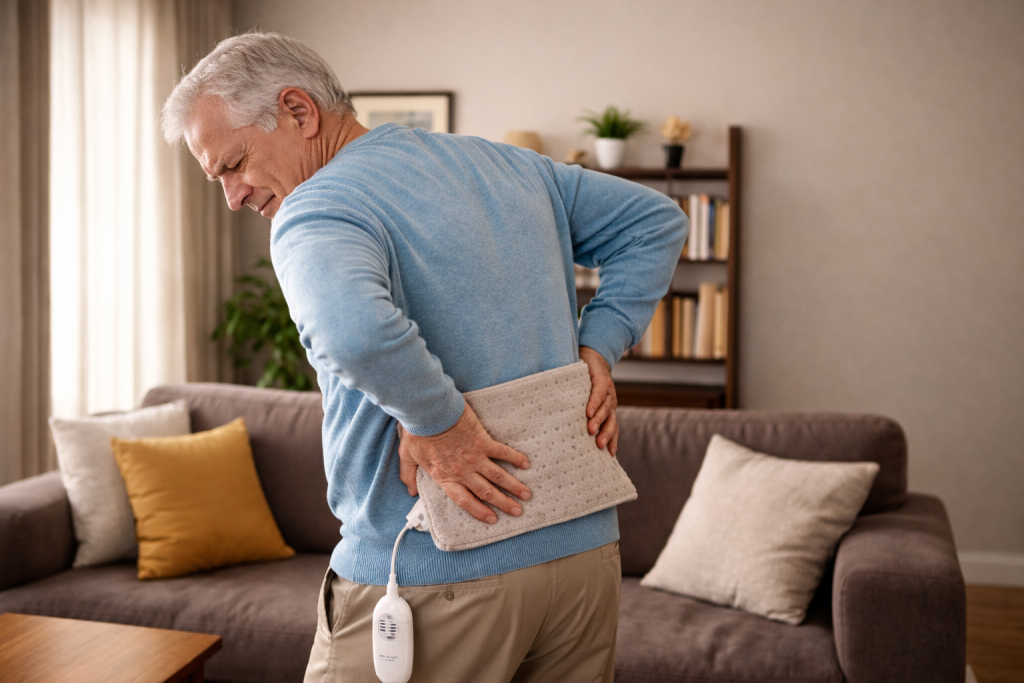
But what is better for lower back pain: heat or cold? Journey into this article for a detailed explanation of heat and cold therapy for lower back pain, including how to combine these therapies with other treatments for comprehensive relief.
The Science Behind Heat and Cold Therapy
The science behind heat and cold therapy comes down to vasodilation and vasoconstriction. By opening up or narrowing your blood vessels, heat and cold therapy manage circulation in the affected area.
Heat therapy is a vasodilator, meaning it expands your blood vessels, allowing more blood to travel through them. Blood carries oxygen and nutrients to the tissues, which may promote healing and regeneration. Increased blood flow also helps relax tense muscles, making heat therapy particularly beneficial for lower back pain involving muscle spasms and stiffness.
Cold therapy, on the other hand, uses cold temperatures to constrict your blood vessels, limiting the amount of blood that can flow to the area. This puts a damper on inflammation, preventing excessive swelling. Cold therapy also has a temporary numbing sensation, making it a convenient way to achieve short-term pain relief.
Interestingly, both heat and cold therapy also stimulate the release of endorphins: Your body’s natural painkillers. Endorphins are neurotransmitters that your brain’s pituitary and hypothalamus release in response to certain triggers, including heat and cold. They naturally assuage pain, boost your mood, and create a feeling of well-being.
When to Use Heat vs. Cold for Back Pain
Heat should generally be used to manage chronic back pain and muscle spasms, while cold should be used to manage inflammation right after an acute injury, or for chronic pain flare-ups.
In these scenarios, we’d recommend using heat for back pain:
- You have persistent back pain (not an acute injury).
- Application: Use heat therapy at home for pain management as part of your doctor-recommended treatment plan.
- Muscle tension and/or spasms are exacerbating your back pain.
- Application: Apply heat to the tense muscles regularly—especially after spasms.
- Your back pain makes exercise challenging and limits your range of motion.
- Application: Use heat therapy before your workouts to warm up your back and encourage mobility.
In these scenarios, we’d recommend using cold for back pain:
- You injured your back within the last 72 hours.
- Application: Use cold therapy to bring down the initial swelling. (Wondering why? Inflammation typically flares right after an injury and, when it’s excessive, can deter your recovery.)
- You’re experiencing a flare-up of chronic back pain and need to manage discomfort and inflammation.
- Application: Use short periods of cold therapy to temporarily numb the pain flare-ups, followed by heat therapy to calm tense muscles and boost circulation.
Combining Temperature Therapy with Other Treatments
Temperature therapy can be effectively combined with other treatments to address the root cause of your lower back pain and promote lasting healing.
Common therapies that are combined with heat and cold therapy as part of a comprehensive treatment plan include:
- Physical therapy is often used as the first-line treatment for lower back pain, as it promotes pain relief and healing without medications or invasive procedures. It involves targeted stretches and strengthening exercises to reduce impact on the spine.
- Chiropractic care is an alternative treatment that focuses on spinal alignment and improving balance throughout the body. Chiropractors perform manual adjustments to realign the spine and restore circulation. Heat and cold therapy can complement these benefits by encouraging or restricting blood flow to the spine.
- Medications can help manage your pain levels and bring down inflammation while you recover from back pain. Side effects, complications, and potential interactions are crucial considerations for anyone considering medications for lower back pain.
- Lifestyle adjustments like quitting smoking, exercising, eating healthily, and improving your posture can work alongside heat and cold therapy to calm pain levels and encourage healing.
- Back surgery may be necessary when conservative therapies don’t help with lower back pain, or when the pain results from a severe spinal condition. Heat and cold therapy can help you recover from the procedure by managing inflammation, pain, and muscle tension. Research shows that using cold therapy after spinal fusion surgery helps with pain control and can even reduce postoperative opioid use.
Advanced Motion-Preserving Solutions Like the TOPS System
When surgery is essential to tackle lower back pain, many people worry that spinal fusion is their only option. While it’s long been used to help with pain from conditions like spinal stenosis, spondylolisthesis, and herniated disc, fusion permanently eliminates motion in two (or more) vertebrae, shrinking your range of motion while increasing impact on the surrounding segments.

Advanced motion-preserving solutions like the TOPS System present an exciting alternative. TOPS is a dynamic implant device that replaces the soft and bony tissues removed during spinal decompression surgery. It creates a controlled range of spinal movement in all directions, preventing instability without compromising your activities.
David danced at his son's wedding Bonnie explains why TOPS surgery was the right decision for her Wade is back to hiking Scott speaks about going to surgeryRegain your mobility with Premia Spine!



Regain your mobility with Premia Spine! Contact us now
What does this mean for life after spinal surgery? A quicker recovery, less post-operative pain, an active lifestyle, and a higher quality of life. These remarkable benefits are just a few of the reasons why the TOPS System earned a superior-to-fusion claim from the FDA.
How to Create an Effective Pain Management Strategy
To create an effective pain management strategy for lower back pain, talk to your doctor about all of the treatments available to you, including the TOPS System, if surgery is necessary. To create a well-rounded plan, incorporate heat and cold therapy, among other home remedies, as part of your long-term pain management. Along with a healthy lifestyle and ongoing support from your care team, you can overcome lower back pain without disrupting your quality of life.