



Overlooked Remedies to Relieve Lower Back Pain
When lower back pain threatens to wreck your day, most people reach for the most common remedies: An ice pack, over-the-counter painkillers, and a quick stretching session. But these are far from the only back pain treatments at your disposal. Considering overlooked remedies to relieve lower back pain could bring you greater comfort or, for more severe forms of back pain, an entirely new lease on life.
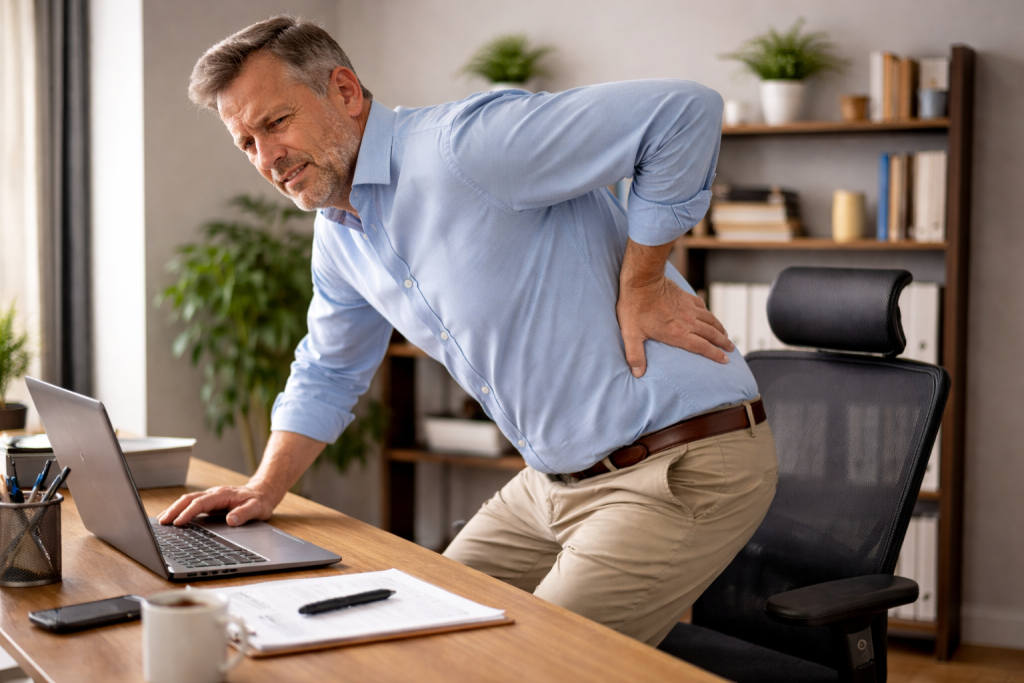
Let’s explore lower back pain remedies, from the most common to the most obscure, to help you find the relief you deserve.
Understanding Common and Alternative Back Pain Relief Methods
Common back pain relief methods include over-the-counter pain medications, heat/cold therapy, stretching, and physical therapy, while alternative methods include massage therapy, acupuncture, biofeedback, electrical nerve stimulation, and yoga.
Common Back Pain Remedies
Common back pain remedies include:
- Over-the-counter pain medications are many people’s go-to remedy for all types of discomfort, from headaches to backaches. NSAIDs (non-steroidal anti-inflammatory drugs), like ibuprofen and aspirin, are a common choice because they target both pain and inflammation, while analgesics like acetaminophen only address pain.
- Heat and cold therapy are natural, drug-free, and accessible from home. Using an ice pack in short intervals (no longer than 15 to 20 minutes) can help bring down swelling and temporarily numb your discomfort, particularly in the first day or two after an injury. Heat therapy with a heating pad or hot water bottle can calm tense muscles and boost circulation to your back.
- Stretching (gently, without forcing your body into extreme positions) can help you gain mobility and increase your range of motion, which may help with back pain relief. Just make sure to start with low-impact stretches (like the cat-cow yoga pose, knee-to-chest stretch, and pelvic twists), stop if you have pain, and warm up before stretching with a brisk walk or gentle calisthenics.
- Physical therapy involves working with a trained specialist to improve muscle strength, gain flexibility, and correct detrimental movement patterns. Your PT will provide personalized stretches and exercises to help alleviate the impact on your back while working with you to improve overall balance in the body. Many PTs also offer complementary therapies, like massage, dry needling, and biofeedback, to help with pain management.
Alternative Back Pain Remedies
Alternative back pain remedies that often get overlooked include:
- Massage therapy involves manually manipulating the tissues to reduce tension, boost blood flow, and stimulate the release of natural pain-relieving chemicals, like endorphins.
- Acupuncture is an alternative remedy rooted in traditional Chinese medicine that involves inserting ultra-thin needles into specific points on the body to curb tension and promote healing.
- Biofeedback is a mind-body technique that involves using monitoring devices to help you understand your physiology and, in turn, learn how to gain control over your symptoms.
- Electrical nerve stimulation uses low-voltage electrical currents to stimulate peripheral nerves and encourage pain relief.
- Yoga is a gentle, low-impact practice that blends breathing, stretching, strengthening, and balance exercises in a mindful flow. It’s widely viewed as a beneficial practice for people with lower back pain.
Lifestyle Changes and Non-Surgical Options for Lower Back Pain Management
Lifestyle changes and non-surgical options for lower back pain management include posture improvements, staying active, dietary changes, stress management, pain medications, and epidural steroid injections.

Posture Improvements
Poor posture is a negative force on your lower back, increasing the impact it’s subjected to throughout the day. While this is enough to cause lower back pain in some people, it can also exacerbate pain and stiffness from spinal conditions like spinal stenosis.
Improving your posture (especially if you sit at a desk with poor posture throughout the workday) is an essential lifestyle change to make for lower back pain management. Try setting a recurring posture reminder on your devices, or write the reminder on a sticky note and keep it on your computer.
Staying Active
When back pain sets in, you may be tempted to retreat to your bed and wait out the storm. While some rest can help prevent further damage, immobility is a detriment to your recovery. Research shows that bed rest worsens pain and hinders recovery for people with lower back pain.
Considering that bed rest can worsen your pain by stunting your body’s natural repair processes and encouraging muscle stiffness, gentle physical activity is a key ingredient in your back pain treatment plan. It encourages blood flow to injured tissue, prevents muscle stiffness, and preserves your range of motion.
Dietary Changes
Adjusting your diet to include anti-inflammatory foods and exclude inflammatory foods may help your body recover from lower back pain. One study found that diets higher in fruits, whole grains, and dairy were linked to a 20% to 26% lower likelihood of chronic spinal pain. Another study identified higher pain sensitivity in people who had a lower diet quality, higher diet inflammatory score, and lower intake of protein, healthy fat, dietary fiber, omega-3 fatty acids, beta-carotene, magnesium, and vitamins A, E, and B6.
Foods widely recognized for their anti-inflammatory properties include:
- Berries and other fruits, like oranges and cherries
- Tomatoes
- Olive oil
- Leafy greens (like kale and spinach)
- Nuts and seeds
- Fatty fish (like salmon and tuna)
Foods generally known as pro-inflammatory include:
- Fried foods
- Soda and other sugary drinks
- Red and processed meats
- Refined carbs (like white bread)
- Lard, margarine, and shortening
Stress Management
Whether from work pressures, family challenges, or financial strain, stress can substantially worsen lower back pain. One study found that severe stress is linked to a 2.8-fold increase in chronic lower back pain risk, while another confirmed stress’s significant role in chronic lower back pain, fatigue, and depression.
Considering how stress can pervade your life and subject you to worsened pain, incorporating stress management into your daily routine can help protect you against chronic back pain. Try:
- Daily exercise
- Journaling
- Socializing with friends and family
- Meditation and guided breathing
- Prioritizing sleep hygiene
- Limiting caffeine and alcohol
- Talking to a therapist or counselor
Pain Medications and Epidural Steroid Injections
Painkillers and epidural steroid injections can lower your pain levels without surgery. While neither addresses the underlying cause of your back pain, they can help calm your symptoms while you work with a physical therapist and adjust your lifestyle to promote healing.
Epidural steroid injections work by injecting a combination of numbing and steroid medication into the epidural space of the spine. The steroid medication reduces inflammation in the painful area of the back, helping to bring down swelling and pain. This relief is temporary (usually lasting for three to six months) and it’s crucial not to overdo it – getting too many injections can weaken the nearby muscles or bones.
How the TOPS System Provides Long-Term Lower Back Pain Relief
When chronic spinal conditions require surgery for long-term lower back pain relief, many people assume they must undergo the conventional options: Spinal decompression with fusion. While spinal fusion is common, by permanently fusing two or more vertebrae, it can limit spinal motion.
Regain your mobility with Premia Spine! Contact us now

The TOPS System is different. This dynamic spinal implant replaces the tissues removed during spinal decompression to create a controlled range of motion. As a result, you can safely bend, twist, and flex the spine after the procedure, without the risk of instability or damage to the adjacent spinal segments.
David danced at his son's wedding Bonnie explains why TOPS surgery was the right decision for her Wade is back to hiking Scott speaks about going to surgeryRegain your mobility with Premia Spine!


The Role of Motion Preservation in Back Pain Relief
Motion preservation is essential for back pain relief because it encourages an active lifestyle, prevents lost muscle strength, keeps blood flowing to the back, and preserves your quality of life.
While conventional back surgery with spinal fusion doesn’t prioritize motion preservation, the TOPS System is an FDA-approved spinal implant that preserves a controlled range of motion in the lumbar spine. It allows patients to return to an active lifestyle, with a quicker recovery period (and less postoperative pain) than spinal fusion.
How to Create a Comprehensive Lower Back Pain Management Plan with Your Doctor
To create a comprehensive lower back pain management plan with your doctor, express your interest in using a combination of therapies, including alternative remedies and innovations like the TOPS System, to promote healing. You can also request referrals for specialists (like a physical therapist, acupuncturist, massage therapist, dietician, etc.) to create a network of support that can guide your healing journey.