



Scar Tissue and Chronic Pain After Spinal Fusion Surgery: Causes, Timelines, and Advanced Treatments
Scar tissue is your body’s normal response to tissue damage. It helps your body close wounds and recover. But when it develops in excess or too close to a nerve, it can trigger ongoing pain and compromise the benefits you expect to gain from spinal surgery. And if you’re affected, you’re not alone: persistent pain after spinal surgery has a prevalence rate of 14.97%, according to a meta-analysis from Cureus.
In this article, we’ll explore how scar tissue can contribute to lingering post-fusion pain through a condition known as epidural fibrosis, how to differentiate this pain from other complications, and strategies to help you achieve lasting pain relief.
FBSS to PSPS-T2: The New Medical Classification of Post-Fusion Pain
Before diving into our exploration of epidural fibrosis, let’s discuss a recent shift in the terminology used for post-fusion pain.
Previously, post-fusion pain was referred to as failed back surgery syndrome, or FBSS. This was an umbrella term used for persistent (either new or recurring) pain after spinal surgery. Possible causes include epidural fibrosis, failed fusion (pseudoarthrosis), adjacent segment disease (ASD), and hardware failure.
In 2021, the term persistent spinal pain syndrome (PSPS) was introduced, and PSPS type II (PSPS-T2) replaced FBSS. PSPS-T2 refers to chronic pain after spinal surgery; PSPS-T2 refers to chronic spinal pain with no prior spinal surgery.
This transition occurred because FBSS implies failure on the part of the patient or surgeon. This connotation shifts blame onto the patient or surgeon when neither party may be to blame, and symptoms can occur regardless of their efforts. Also, because PSPS is categorized into types 1 and 2, it allows providers to make more specific diagnoses.
What is Scar Tissue?
Scar tissue is a type of tissue consisting of collagen fibers and other cells that the body produces in response to tissue damage. Cuts, burns, infections, surgeries, and tissue inflammation can all stimulate scar tissue development.
While scar tissue is a natural, healthy bodily process that can help you heal, it can have long-term complications. It doesn’t function as normal, healthy tissue; it’s tough and fibrous. Scar tissue’s lack of elasticity can compromise your mobility, trigger stiffness, and even reduce blood flow to the area.
Can Scar Tissue After Back Surgery Cause Pain? Understanding Epidural Fibrosis
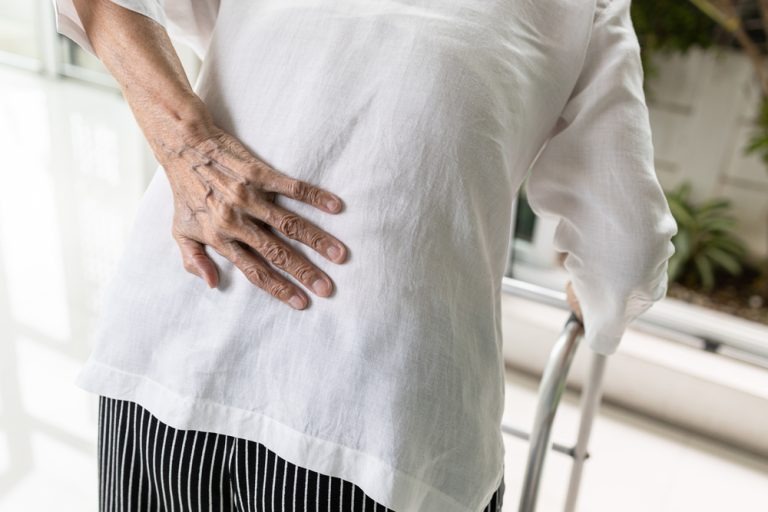
Scar tissue after back surgery can cause pain if it presses on nearby nerve roots or compromises your mobility.
Clinical research shows that excessive scar tissue after spinal surgery can protrude into the spinal canal and press on nerve roots. When scar tissue develops excessively near a nerve root, it’s known as epidural fibrosis.
Symptoms of epidural fibrosis include:
- Moderate to severe back pain that slowly worsens after spinal surgery
- Pain that radiates into the lower extremities
- Burning pain that doesn’t improve with changing positions
- Recurrent back and leg pain
Patients who undergo more complex back surgeries are at a higher risk of developing epidural fibrosis.
Can Scar Tissue Cause Nerve Pain?
Yes, scar tissue can cause nerve pain when it develops on or near a nerve.
When scar tissue neighbors or surrounds a nerve, it can press on it, causing inflammation, pain, tingling, weakness, and numbness. Scar tissue can also diminish blood flow to the nerve tissue, inhibiting the healing process.
In some cases, when scar tissue develops near a nerve, it leads to a tethered spinal cord. With this condition, the spinal cord attaches to the tissue around the spine, which constricts its movement. This may cause the spinal cord to stretch beyond its normal range, causing damage and pain.
What Does Pain from Scar Tissue Feel Like?
Pain from scar tissue can feel different from person to person, but common descriptors include:
- Achiness
- Burning or stabbing pain
- Sharp pain
- Tingling
- Throbbing
- Tightness
- Itchiness
- Stiffness and poor mobility
Scar tissue pain can range from mild to severe. In some people, it goes away gradually with postoperative physical therapy. In others, it becomes a chronic, debilitating issue. To prevent chronic pain from scar tissue after spinal fusion, it’s important to attend all of your recommended PT appointments and remain mobile, without extended periods of bed rest.
Risk Factors for Overproduction of Scar Tissue
Certain factors can increase your risk of scar tissue overproduction after back surgery, including:
- Age: Younger patients often develop more scar tissue than older patients because their bodies have a more robust response to tissue damage.
- Poor wound care: After surgery, it’s important to properly care for the wound by keeping it clean and moist. Change the dressing as needed, and keep the wound away from direct sunlight.
- Chronic inflammation: The more inflamed the damaged tissue is, the more scar tissue is likely to develop.
- Genetics: Certain genetic factors can lead to scar tissue overproduction, like having family members with keloids.
- Underlying medical conditions: Hypertension, diabetes, and autoimmune conditions can cause excessive scar tissue production.
- Smoking: Nicotine constricts blood vessels, reducing blood flow throughout the body. This can delay wound healing and compromise cell function, causing worsened scar tissue production.
How to Differentiate Scar Tissue Pain from Other Post-Surgical Complications
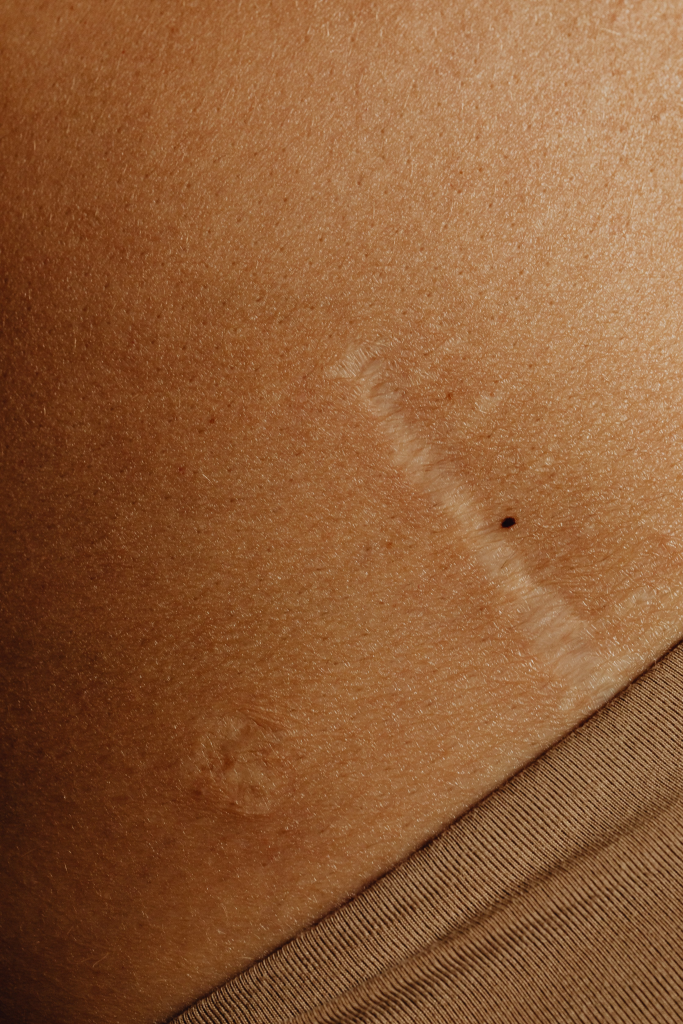
Scar tissue pain has overlapping symptoms with other possible spinal fusion complications, including nerve irritation and pseudoarthrosis (non-union). While you’ll need to speak with a spinal specialist for a definitive diagnosis, let’s discuss symptoms that are typically characteristic of epidural fibrosis.
Chronic Pain Symptoms Linked to Epidural Fibrosis
Key characteristics of epidural fibrosis include:
- Recurring back pain 6 to 12 weeks post-op
- Radiculopathy (pain that radiates into the legs)
- Numbness and tingling
- Symptoms worsen with movement
Symptom Timeline for Epidural Fibrosis
Epidural fibrosis symptoms generally appear 6 to 12 weeks after spinal fusion. It’s not immediate because it takes the body time to develop scar tissue as part of the natural process. Here’s a typical timeline:
- 0 to 6 weeks: Early healing and inflammatory processes stimulate scar tissue development
- 6 to 12 weeks: Scar tissue matures, potentially becoming denser and trapping nerve roots, causing epidural fibrosis symptoms
- 3 to 12 months: Symptoms may stabilize as the scar tissue solidifies.
This timeline is notably shorter than that of other complications, like adjacent segment disease or hardware failure, which usually don’t appear until at least a year (more likely 5 to 10 years) post-op.
Other Fusion Complications: Adjacent Segment Disease (ASD) and SI Joint Dysfunction
Epidural fibrosis isn’t the only possible cause of lingering pain after spinal surgery; adjacent segment disease and sacroiliac (SI) joint dysfunction can trigger somewhat similar symptoms.
- Adjacent segment disease (ASD) refers to degeneration of the neighboring spinal segments. The lack of motion at the fused segments shifts impact to the surrounding vertebrae, causing them to break down faster. ASD has a prevalence of up to 30% (according to a Surgical Neurology study), and symptoms usually develop 5 to 10 years after the procedure.
- Sacroiliac (SI) joint dysfunction can occur after spinal fusion because the fused segment may shift stress onto the SI joints, which link the lower back to the pelvis. SI joint dysfunction often manifests as hip instability and pain that worsens when standing up or climbing stairs. A Journal of Spine Surgery study found that new SI joint pain after spinal fusion had an overall incidence of 12%.
How to Break Up Internal Scar Tissue Naturally (Conservative Therapies)
Conservative therapies may help with scar tissue-related pain after fusion by promoting safe movement, blood flow, and natural healing. The first step is usually talking to a physical therapist, who can provide targeted methods for your particular needs.
Targeted Physical Therapy and Nerve Gliding
Targeted physical therapy exercises can help break up stiff scar tissue and even prevent excessive scar tissue growth. One common strategy is nerve gliding (also known as nerve flossing or neural mobilization), which involves gentle movements that allow nerves to move more freely.
A systematic review published in The Journal of Manual & Manipulative Therapy concluded that patients who received “slump stretching”, a type of neural mobilization, showed significantly greater improvements in disability than the control group.
Manual Therapies: Deep Tissue, Cross-Friction, Myofascial Release
To break up internal scar tissue, you can try manual therapies including deep tissue massage, cross-friction massage, manual stretch therapy, cupping, dry needling, and myofascial release, as well as targeted exercises for joint mobility.
These manual therapies are available from physical therapists and can help break up scar tissue after back surgery:
- Deep tissue massage is a massage technique that homes in on the deeper muscle and connective tissue with firm pressure. The intensive pressure used in deep tissue massage can help break up the collagen fibers and adhesions that contribute to pain from scar tissue.
- Cross-friction massage is also referred to as transverse friction or deep friction massage. To perform it, your PT will apply pressure to the targeted area in motions that are perpendicular to the muscle fibers. This approach helps disband scar tissue fibers, making the area more flexible and mobile.
- Dry needling is a technique that involves inserting thin needles into trigger points in the tissue, stimulating an involuntary spasm. Superficial dry needling involves inserting the needle into the subcutaneous tissue instead of the muscle, which is thought to help with scar tissue by reducing tension and improving blood flow.
- Myofascial release is a type of massage that targets pain and tension in the myofascial tissue, a thin connective tissue surrounding the body’s muscles, bones, nerves, organs, and blood vessels. Myofascial release can help break up scar tissue and adhesions, reducing pain and enhancing mobility.
Instrument-Assisted Soft Tissue Mobilization (IASTM): Graston Technique and Cupping
The Graston Technique uses specialized stainless steel tools to massage and scrape the skin. It’s performed by PTs and chiropractors who have been trained and certified in the patented method, and it’s thought to work by:
- Breaking up scar tissue
- Reducing muscle tension
- Stimulating the body’s natural healing process
A study published in the Journal of Physical Therapy Science found that in 4 weeks, patients with chronic lower back pain who underwent the Graston technique exhibited significantly reduced pain compared to the control group.
Cupping is an ancient therapeutic technique that involves placing specialized cups on the skin, creating suction that pulls the tissue upward. The cup is left on the skin for a few minutes. This technique is thought to help break up scar tissue by separating the fascial layers and improving scar mobility. It also boosts blood flow to the area, which promotes healing and prevents more scar tissue from forming.
Advanced Treatments for Post-Fusion Pain
When conservative methods fail to improve pain after spinal fusion, you may need to consider more advanced treatments from a spine specialist, such as epidural adhesiolysis, radiofrequency ablation, or spinal cord stimulation.
Epidural Adhesiolysis
Epidural adhesiolysis (also called epidural lysis of adhesions, or the Racz procedure) is a minimally invasive procedure that uses injections to break up or dissolve scar tissue. The physician first uses a catheter to mechanically disrupt the scar tissue, followed by an injection to help dissolve it. This process is most often used for lingering pain after back surgery.
Radiofrequency Ablation (RFA)
Radiofrequency ablation, or RFA, uses heat from radiofrequency energy to destroy targeted tissues. For pain after spinal fusion, it may be used to destroy the nerves transmitting pain signals (not the scar tissue itself), providing pain relief that lasts for up to 12 months (or longer, in some cases). It’s minimally invasive and localized, meaning it leaves the surrounding tissue healthy and intact.
A Pain Practice study found that among patients with lumbar spinal stenosis who underwent targeted intraspinal radiofrequency ablation, 58% experienced lasting relief from back pain and claudication.
Spinal Cord Stimulation
Spinal cord stimulation is a type of neuromodulation (a treatment that alters nerve activity). It involves implanting a device into the spine that sends safe electrical currents to the spinal cord to disrupt chronic pain signals. While it requires another surgical procedure, it’s minimally invasive and designed to provide lasting relief.
According to Translational Perioperative and Pain Medicine, in a review of 11 publications, 3 out of 4 studies with radiating leg pain relief as their main outcome showed statistically significant improvement with spinal cord stimulation.
The Role of Regenerative Medicine
Regenerative medicine is an emerging treatment approach for lasting pain after spine surgery that focuses on bolstering your body’s natural repair processes with regenerative materials such as stem cells and platelet-rich plasma (PRP). While more research is required to confirm its effects, regenerative therapy is a promising non-surgical option for persistent spinal pain syndrome.
In an Experimental Biology and Medicine study that compared epidural PRP injections to epidural steroid injections for radiculopathy from lumbar disc disease, the PRP group exhibited comparable pain relief, functional improvement, and overall health improvement, with no increase in complications or adverse effects.
Preventing Complications with Spinal Fusion Alternatives
Lingering post-fusion pain often stems from the immobilization of the fused segment, which disperses impact unevenly across the spine and limits motion. To prevent this, patients can consider modern fusion alternatives, like the revolutionary TOPS System.
David danced at his son’s wedding Bonnie explains why TOPS surgery was the right decision for her Wade is back to hiking Scott speaks about going to surgeryRegain your mobility with Premia Spine!


Regain your mobility with Premia Spine! Contact us now
With approval and a superior-to-fusion claim from the FDA, the TOPS System is a leading alternative for patients with lumbar spondylolisthesis and spinal stenosis. It’s a motion-preserving spinal implant that replaces the tissues removed during spinal decompression surgery. With the TOPS System, you can bend, flex, extend, and rotate your spine, with less risk of adjacent segment degeneration and related issues.
Find a doctor in your region today to learn more about how the TOPS System could benefit your recovery process.
FAQs
What does a failed fusion feel like?
A failed fusion often feels like your original symptoms (such as back pain, stiffness, and nerve irritation) have come back.
Is it normal to have severe pain months after spinal fusion?
No, it’s not considered normal to have severe pain months after fusion, and you should visit your spine specialist for an evaluation. You may be dealing with a post-fusion complication like hardware failure, adjacent segment disease, or epidural fibrosis.
Can an MRI show scar tissue pressing on a nerve?
Yes, an MRI can show scar tissue pressing on a nerve.
How do you know if your spinal fusion hardware failed vs. scar tissue pain?
Differentiating between hardware failure and scar tissue requires symptom evaluation and imaging tests to confirm your condition. That said, hardware failure tends to occur years after the procedure, while scar tissue usually forms within a few months.
Can spinal fusion cause problems later in life?
Yes, spinal fusion can cause problems (like adjacent segment disease, hardware failure, and chronic pain) later in life, often due to immobility at the fused segment.