



Lower Back Pain in the Morning That Goes Away: Causes, Red Flags, and Relief
If you regularly wake up with lower back pain in the morning that goes away within 15 to 30 minutes, you’re not alone. Lower back pain affected an estimated 577 million people in 2017, and among people with chronic lower back pain, as many as 87% have reported difficulty getting up in the morning due to pain. Possible explanations include natural effects of overnight immobility, including spinal disc fluid absorption, thickened synovial fluid, and muscle tension, as well as poor sleeping positions and unsupportive mattresses. Certain underlying medical conditions, like ankylosing spondylitis, can also cause morning back pain.
Read on to explore the causes of morning back pain in greater detail, as well as how to alleviate it and warning signs that you need professional medical care.

Why Does Lower Back Pain Go Away After You Wake Up?
Lower back pain may go away after you wake up because standing up and gentle movement may clear up certain processes that occurred overnight, including disc fluid absorption, thickened synovial fluid, and inflammatory cytokines accumulating in the joints.
Pressure from Disc Fluid Absorption (Imbibition)
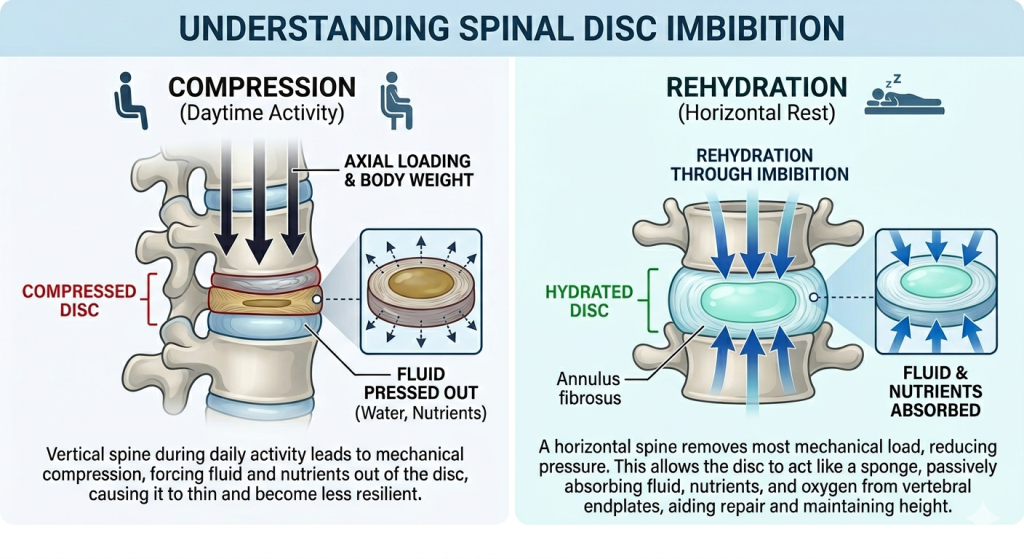
Spinal discs absorb fluid and nutrients overnight in a process called imbibition. This is because the spine’s horizontal position (while you’re lying down) alleviates the pressure usually exhibited on the discs when you’re standing up. While this is part of their natural repair process, for people with degenerative disc disease or a bulging or herniated disc, extra pressure from this fluid absorption can cause stiffness and nerve irritation in the morning. As you get out of bed and the spine resumes a vertical position, the discs’ fluid content returns to normal.
Thickened Synovial Fluid
Overnight immobility and the mild dehydration that naturally happens while we sleep cause synovial fluid to thicken. Synovial fluid acts as a lubricant and shock absorber in your joints (including the facet joints of the spine), allowing them to glide smoothly. This can lead to a stiff, swollen, painful spine in the morning, until you move around and synovial fluid recirculates normally.
Accumulated Inflammatory Cytokines
Cytokines are the signaling proteins that help manage inflammation throughout your body. Overnight, cytokines accumulate in your joints due to a combination of:
- Immobility and stalled lymphatic drainage
- Reduced cortisol production (cortisol has anti-inflammatory effects)
- Increased immune activity, causing your body to release more cytokines
Pooled cytokines in your joints can cause morning stiffness, soreness, and joint pain that improves with movement.
Common Causes of Lower Back Pain in the Morning
Common causes of morning lower back pain include poor sleeping positions, an unsupportive mattress, pregnancy, excessive exercise, and certain underlying conditions (such as degenerative disc disease, fibromyalgia, and ankylosing spondylitis).
Morning Lower Back Pain from Poor Sleeping Positions
One of the most likely causes of morning lower back pain is a poor sleeping position or posture. Some sleeping positions force the spine out of its normal alignment, placing serious stress on the spinal structures and surrounding tissues.
Sleeping on your stomach is widely considered the worst sleeping position for lower back pain. It deepens the curve in your lower back as your stomach sinks into the mattress. This can strain the lower back, leading to pain in the morning. Twisted sleeping positions can also be hard on the spine and cause morning back pain.
If your regular sleeping position isn’t ideal for your spine, consider sleeping on your back or side. For added support, place a pillow under your knees (if you sleep on your back) or between your knees (if you sleep on your side). This helps maintain spinal alignment to prevent excess pressure and pain.
Morning Lower Back Pain from an Unsupportive Mattress or Pillows
If you wake up with back pain that wasn’t apparent the night before, you may want to look at your mattress. An old, worn-out, or unsupportive mattress can strain your back and lead to general discomfort in the morning. Similarly, pillows that force your spine out of its natural alignment can lead to back pain.
Best Mattress Type for Back Pain: Medium-Firm
A medium-firm mattress is generally recommended for back pain prevention. In a 90-day trial published in The Lancet, patients who slept on medium-firm mattresses were roughly twice as likely to report improvement across pain on rising, pain in bed, and disability compared to those who slept on firm mattresses.
How Often Should You Replace Your Mattress?
In general, you should replace your mattress every seven to 10 years. Additionally, if your mattress exhibits visible wear, sagging, lumps, or indentations, it’s time for a replacement.
Degenerative Disc Disease
Degenerative disc disease, or DDD, involves the gradual breakdown of the cushion-like discs that protect the spinal vertebrae. It’s common, affecting an estimated 90% of adults over age 60, according to the National Spine Health Foundation. With DDD, the spinal discs become thinner, drier, weaker, and more prone to damage.
Morning pain and stiffness are common with DDD because the spinal discs absorb fluid overnight, leading to more pressure upon waking. This pain tends to improve as you move around and allow the fluid to recirculate.
Fibromyalgia
Fibromyalgia is a chronic musculoskeletal disorder that causes muscle and soft tissue pain that usually worsens in the morning and at night. In fact, morning symptoms are common with fibromyalgia and may include:
- Swelling in the face and hands
- Fatigue
- Stiffness
- Achiness
Fibromyalgia is also associated with sleep issues, like insomnia and poor sleep quality, which may exacerbate morning discomfort.
Pregnancy
Lower back pain in the morning is a common side effect of pregnancy. It can be due to a multitude of factors, including hormonal shifts that loosen the pelvis, the weight of the growing fetus, and difficulty finding a comfortable sleeping position.
According to a review and meta-analysis published in BMC Pregnancy and Childbirth, the overall global prevalence of back pain during pregnancy is 40.5%, and it rises by trimester: 28.3% in the first trimester, 36.8% in the second, and 47.8% in the third.
Thankfully, back pain in pregnancy is usually completely normal. Home remedies, like heat therapy, cold therapy, gentle massage, and proper posture, can often provide some relief. If your back pain persists, talk to your doctor for further guidance.
Excessive Exercise
Exercise is an essential component of any healthy lifestyle. But if you overdo your physical activity during the day, you may wake up in the morning with some back discomfort. This is especially true if you partake in back-heavy exercises, like weightlifting.
Muscle soreness after an intense workout usually isn’t cause for concern – it simply indicates that your muscles are getting stronger, this is known as delayed onset muscle soreness, or DOMS. You can minimize soreness and prevent exercise-induced injuries by:
- Gradually increasing the intensity of your workouts
- Properly warming up and cooling down after your workouts
- Taking occasional rest days
- Drinking plenty of fluids and eating enough protein to support your body’s recovery
Spinal Stenosis and Spondylolisthesis
Spinal stenosis is a condition characterized by the gradual narrowing of the spinal canal, usually due to age-related degeneration. Spondylolisthesis causes a vertebra to shift out of its usual position, resting on the vertebra beneath it and compromising your spine’s alignment.
These spinal conditions, which often stem from age-related spinal degeneration, can cause persistent back pain. While pain from these conditions often worsens with certain movements (like long walks and prolonged standing), morning back pain can also occur due to stiffness from hours of immobility.
Spinal Arthritis: Osteoarthritis
Osteoarthritis (also known as wear and tear arthritis) is a degenerative joint disease that affects an estimated 528 million people globally, according to the World Health Organization. When it affects the facet joints of the spine, it can cause back pain, stiffness, grinding (crepitus), and neurological symptoms.
Pain that’s worse in the morning is a telltale symptom of osteoarthritis because the hours of immobility contribute to thickened synovial fluid and increased inflammation. This pain tends to improve with gentle movement, which encourages circulation (including synovial fluid circulation).
Could It Be Ankylosing Spondylitis?
Ankylosing spondylitis, or AS, is a form of inflammatory arthritis that primarily impacts the spine, causing inflammation between the vertebrae. Its telltale symptoms include morning stiffness in the lower back and buttocks, and pain that improves with movement. This pain and stiffness may set in in the very early morning hours, potentially waking you up prematurely.
Other defining symptoms of AS include:
- Hip and abdominal pain
- Difficulty moving the hips and lower back, especially right after waking up
- Stooped posture
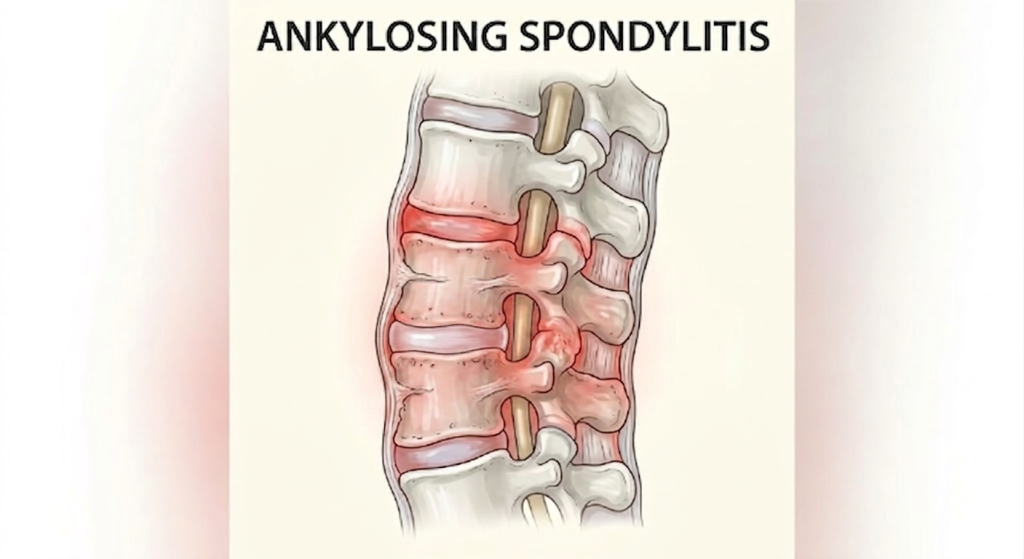
AS is an autoimmune condition. Many (but not all) people with the condition carry HLA-B27, a genetic marker that helps the immune system distinguish between the body’s own cells and dangerous pathogens.
If you experience symptoms of AS that don’t improve within a few weeks of at-home care or become disruptive to your routine, talk to your doctor about being referred to a rheumatologist (a doctor who specializes in autoimmune and inflammatory conditions) for treatment.
Can Morning Back Pain Be Kidneys?
Morning back pain can be from the kidneys, as it can be caused by kidney stones, a kidney infection, a UTI, or even dehydration. Though rare, back pain can also be a symptom of kidney cancer.
- Kidney stones are deposits of minerals that form in the kidneys, often due to lifestyle factors like not drinking enough water, obesity, and consuming excessive salt or sugar. Kidney stone pain often strikes in the morning, as people don’t urinate as much at night, creating more pressure in the urinary tract by morning.
- Kidney infections, including UTIs, can cause morning lower back pain. You may also experience pain in the sides of your body, along with other infection symptoms like fever, chills, nausea, vomiting, frequent urination, and painful urination. If you experience symptoms of an infection, contact your physician immediately, as you’ll likely need treatment with antibiotics.
- Dehydration can cause kidney pain, in some cases, because it compromises your kidneys’ ability to properly filter waste products. Since you don’t intake as much water at night as during the day, it’s common to wake up dehydrated.
Morning Lower Back Pain Relief: What to Do Right Now
If you wake up with lower back pain, don’t panic: there are a few strategies you can implement right away to encourage blood flow, release tension, and achieve relief.
5-Step Morning Stretching Routine
Start with a gentle stretching routine to boost circulation and stretch out lingering tension:
- Cat-cow pose: Start in a tabletop position on your hands and knees. On a deep inhale, drop your belly toward the ground, lifting your chin and chest toward the ceiling. On an exhale, round your spine while tucking your chin to your chest, drawing your belly toward your spine. Repeat up to 10 times.
- Knee-to-chest stretch: Start on your back with your knees bent and feet flat on the ground. Grasp behind the thigh(s) of one or both legs, gently drawing them toward your chest until you feel a stretch in your lower back. Breathe deeply.
- Pelvic tilts: Lie on your back with your knees bent. Inhale, and on an exhale, engage your core muscles to press your lower back flat into the ground. Hold for five seconds, relax, and repeat up to 10 times.
- Piriformis stretch: Lie on your back with your knees bent. Cross your right ankle over your left knee, creating a figure 4. Gently pull your left thigh toward your chest until you feel a deep stretch in your buttocks. Breathe deeply, repeat on the other side.
- Supine spinal twist: Start on your back with your legs extended. Bend your left knee and gently bring it toward your chest, then gently guide it across your middle to rest on the right side of your body. Extend your arms out to your sides, turn your head to look at your left hand, and breathe deeply. Hold for up to a minute, repeat on the other side.
Heat Therapy and Cold Therapy
Heat therapy is recommended for most instances of morning pain and stiffness, including arthritis-related pain. It loosens stiffness, improves blood flow, and prevents spasms. You can apply a heating pad or heat wrap for 15 to 20 minutes, or take a warm shower first thing in the morning.
Cold therapy may be recommended if your pain is from a recent injury or acute inflammation (in the first 72 hours after an injury) to bring down swelling. Make sure not to use cold therapy before exercise (only after), and always wrap your cold pack in a towel to prevent skin damage.
To learn more about which therapy to use for your pain, read our blog article: What’s Better for Lower Back Pain: Heat or Cold?
OTC Pain Relief Options
While not a long-term solution, over-the-counter (OTC) pain medications can temporarily relieve morning back pain. Common options include:
- NSAIDs (non-steroidal anti-inflammatory drugs), like ibuprofen and naproxen, bring down inflammation and reduce pain by blocking chemicals (COX enzymes) that cause inflammation.
- Acetaminophen is a fever reducer and pain reliever. It doesn’t affect inflammation, but it may be recommended over NSAIDs for individuals with stomach issues, kidney disease, or who are taking blood thinners.
Talk to your doctor before starting any new medication.
How to Get Out of Bed Without Making It Worse
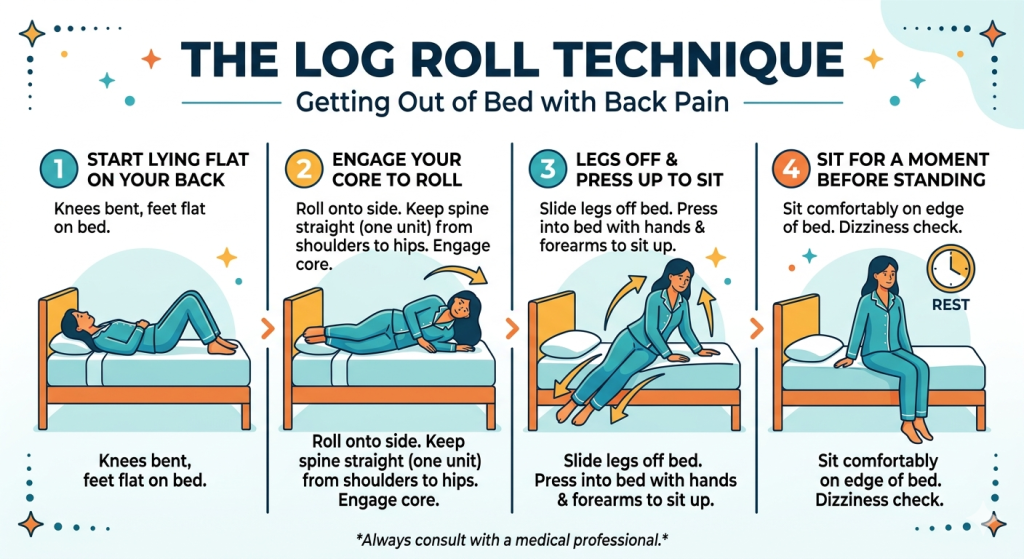
If you wake up with back pain, stiffness, or spasms, the log-roll technique of getting out of bed can keep it from getting worse. This method allows you to get up without twisting your spine, and it’s widely recommended after spine surgery. Here’s how to do it:
- Start lying flat on your back with your knees bent and feet flat on the bed.
- Engage your core to roll onto your side, staying in one unit from your shoulders to your hips.
- Allow your legs to slide off the edge of the bed, and simultaneously using your bottom hand and forearm for support, press into the bed to sit upright.
- Sit in this position for a moment before standing to prevent dizziness.
How to Prevent Morning Lower Back Pain
Small shifts in your routine, including daily movement and healthy lifestyle choices, can help prevent morning lower back pain before it strikes.
Daytime Movement
Staying active during the day is a pillar of back pain prevention. If you struggle with back pain, it’s best to stick to low-impact cardio, gentle stretching, and well-rounded strengthening to prevent injuries. Options include:
- Walking
- Cycling
- Running on an elliptical machine
- Swimming and water aerobics
- Yoga
- Pilates
- Dance
- Core stabilization exercises (planks, bird-dog)
Lifestyle Adjustments to Prevent Back Pain
Maintaining a healthy lifestyle is a rock-solid investment in your future well-being and can help lower your risk of developing back pain. Key habits include:
- Weight maintenance
- Anti-inflammatory diet (focus on fruits and veggies, legumes, whole grains, lean protein, nuts, seeds, and olive oil; limit processed foods, added sugars, red meat, and alcohol)
- Quit smoking
- Stay hydrated for spinal disc health
When to See a Doctor: Red Flag Symptoms
Rarely, back pain is a symptom of serious medical conditions that require emergency care. If you experience any of these red flag symptoms with back pain, go to the nearest ER for immediate medical attention:
- Sudden, severe nerve symptoms (weakness, numbness, tingling)
- Changes in bowel or bladder function
- Saddle anesthesia (numbness in the inner thighs, buttocks, and groin)
- Fever and chills
- Nausea and vomiting
- Unexplained weight loss
If you experience back pain that lasts longer than two weeks and doesn’t improve with at-home care, schedule an appointment with your doctor. After an evaluation, they may refer you to an orthopedist or rheumatologist for specialist care.
When Conservative Treatment Isn’t Enough: Motion-Preserving Options

When conservative back pain treatments (like lifestyle changes, physical therapy, and medications) aren’t enough, your orthopedist may suggest surgery. For spinal conditions like herniated disc, spinal stenosis, and spondylolisthesis, spinal decompression surgery is widely used to resolve nerve compression.
Regain your mobility with Premia Spine! Contact us now
David danced at his son’s wedding Bonnie explains why TOPS surgery was the right decision for her Wade is back to hiking Scott speaks about going to surgeryRegain your mobility with Premia Spine!




While spinal fusion was previously the gold standard to stabilize the spine after decompression, motion-preserving alternatives like the TOPS System are revolutionizing the treatment of degenerative spinal conditions.
To learn more about how the TOPS System could work for you, find a specialist in your area today.
FAQs: Morning Back Pain
Is it normal to have lower back pain every morning?
Morning back pain is common, but if you experience it every morning, you may need to reconsider your mattress or sleeping position, or talk to a doctor to rule out underlying medical conditions.
What vitamin deficiency causes morning back pain?
Vitamin D deficiency is most commonly linked to morning back pain, as vitamin D is crucial for proper muscle function and calcium absorption. A study in Clinical Rheumatology found that chronic lower back pain patients had a significantly higher prevalence of vitamin D deficiency compared to back pain-free patients.
How long should morning back stiffness last?
Normal morning back stiffness should improve within 15 to 30 minutes of getting up and gently moving around.
Can a new mattress fix morning back pain?
A new mattress might fix morning back pain if your current mattress is old, unsupportive, too soft or firm, damaged, lumpy, or sagging. You should replace your mattress if it’s visibly worn down or seven to 10 years old.
Is morning back pain a sign of ankylosing spondylitis?
Yes, persistent morning back pain and stiffness are telltale early signs of ankylosing spondylitis.
