



Non-Surgical Approaches to Treat Lower Back Pain
Avoiding surgery for lower back pain presents several benefits, from preventing risks and complications to preserving mobility. While some severe cases eventually require surgery to restore patients’ quality of life, non-surgical approaches to treat lower back pain are often effective. With options ranging from physical therapy to medications to lifestyle adjustments and more, back pain sufferers aren’t confined to invasive measures.
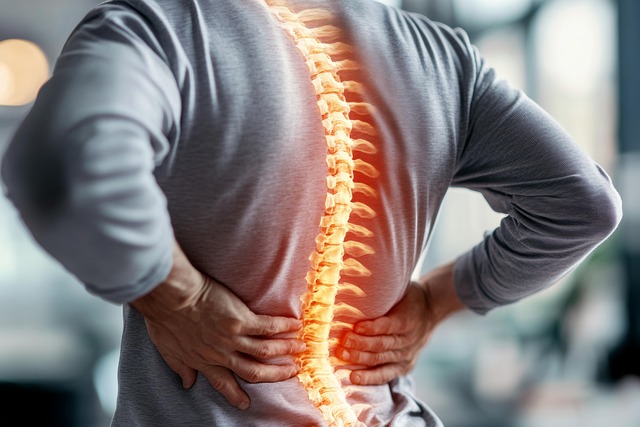
Let’s dig into the non-surgical lower back pain treatments around today, including emerging remedies and new treatment modalities.
Understanding Lower Back Pain
Lower back pain can range from post-workout muscle soreness to strains and sprains to more serious spinal conditions, like herniated discs, spinal stenosis, or spondylolisthesis. Since the lumbar spine supports the weight of the upper body and participates in a range of movements, it’s especially vulnerable to stress and discomfort.
The best treatment approach for lower back pain will depend on its root cause. While muscle soreness and mild to moderate strains and sprains typically respond well to at-home care, spinal conditions often require professional medical attention for a complete recovery.
Evidence-Based Treatment Options for Lower Back Pain
Various lower back treatment options are rooted in extensive clinical evidence, including physical therapy, certain pain medications, and heat/cold therapy.
- Physical therapy is widely considered the gold standard of non-surgical treatment for lower back pain. Through strengthening exercises, stretches, joint mobilization, and gait retraining, a PT can help you achieve sustainable pain relief.
- Pain medications like non-steroidal anti-inflammatory drugs (NSAIDs), acetaminophen, and muscle relaxants can help with lower back pain management. While not a permanent solution, they can help make your symptoms more bearable.
- Heat and cold therapy are time-tested, non-invasive remedies for various types of discomfort, including lower back pain. Heat therapy works by calming muscle tension and boosting blood flow to the lower back tissues, while cold therapy brings down inflammation and temporarily numbs discomfort.
Most Effective Non-Surgical Treatments, According to the Latest Research
The most effective non-surgical treatments for lower back pain, according to a meta-analysis published in 2025, are NSAIDs, exercise, spinal manipulation, taping, antidepressants, and TRPV1 agonists.
- Exercise (low-impact exercise, to be more specific) helps with lower back pain by strengthening key supportive muscles for the spine, promoting mobility, and stimulating the release of endorphins—your body’s natural painkillers.
- Spinal manipulation involves your provider using their hands or a specialized device to impart controlled forces on the body. This technique improves blood flow, helps release muscle tension, and encourages pain relief. Spinal manipulation is often implemented by chiropractors and physical therapists.
- Taping with kinesiology (KT) tape is a drug-free, non-invasive way to establish lower back support and promote pain relief. A healthcare provider can place the tape over specific areas of the body with various levels of tension, helping to stabilize muscles and joints while increasing blood flow.
- Antidepressants are a class of prescription medications typically used to treat depression. However, they may help with certain types of lower back pain by altering how the brain perceives pain signals. They may also elevate your mood and promote high-quality sleep, both of which can lower pain levels.
- TRPV1 (transient receptor potential vanilloid 1) agonists are another type of medication that activates the body’s TRPV receptor, which helps manage pain signaling. They’re widely used for pain management, especially for neuropathic pain.
Exploring New Treatment Modalities
Breaththrough technology, like AI, is revolutionizing non-surgical lower back pain treatments. AI technology can help specialists analyze clinical data more effectively, supporting their ability to diagnose lower back pain conditions or even predict their onset.
Regain your mobility with Premia Spine! Contact us now
David danced at his son's wedding Bonnie explains why TOPS surgery was the right decision for her Wade is back to hiking Scott speaks about going to surgeryRegain your mobility with Premia Spine!


AI-powered movement analysis is an emerging treatment modality that involves using AI technology, sensors, and imaging to record your movement patterns, gait, and range of motion to identify possible abnormalities or deficits. This process can yield a wealth of information, helping your provider develop a more strategic, individualized lower back pain treatment plan.
Lifestyle Changes and Daily Habits That Actually Relieve Back Pain
- Diet affects numerous aspects of your wellness, including your body’s ability to heal and susceptibility to pain. An anti-inflammatory diet is widely viewed as ideal—it has a strong focus on whole, unprocessed foods, especially olive oil, tomatoes, leafy green vegetables, vegetables, nuts, and fatty fish.
- Exercise, while mentioned above as an effective treatment strategy, is also an overarching lifestyle pillar. A good general guideline is to get at least 150 minutes of moderate, low-impact exercise per week. Low-impact workouts include walking, swimming, dancing, yoga, and aerobics.
- Ergonomic modifications, whether you commute to an office or work at home, can help calm lower back pain over time (especially for sedentary careers). A good first step is to upgrade your desk chair, choosing an option with ample lumbar support and a structured headrest to keep your spine properly aligned. Adjusting your desk surface so that it’s eye-level can also prevent hunching or straining, both of which contribute to lower back pain.
Lower Back Pain Prevention Strategies
If you’re looking to avoid invasive treatments for lower back pain, prevention is the best way forward. By preventing pain before it strikes, you can preserve your quality of life and maintain an active lifestyle, without disruptions from pain and injuries.
Effective lower back pain prevention strategies include:
- Reaching and maintaining a healthy weight helps spare the spine from excessive impact with every step you take. It can also lower your risk of various underlying medical conditions, given that being overweight or obese is a risk factor for diseases including heart disease, diabetes, stroke, and even certain cancers.
- Prioritizing core strength helps alleviate stress on your spine, as the core muscles provide crucial support for the spine. Strong core muscles can also help you maintain good spinal alignment.
- Quitting smoking isn’t just a good idea for your back: It’s a major step toward better health and longevity. But in the context of spinal health, nicotine restricts blood vessels, leading to less blood flow to the spine. Research shows that smoking is clearly linked to a heightened risk of lower back pain.
- Keeping stress levels low can help curb back muscle tension and prevent pain hypersensitivity. Finding the best stress management techniques for you may take some trial and error, but meditation, yoga, mindfulness techniques, and journaling are all popular strategies.
- Wearing supportive shoes keeps your feet in proper alignment, absorbs impact from walking, and encourages proper posture. While sporting heels for special events won’t inherently sabotage your long-term spinal health, wearing them regularly may take a toll on your back and joints over time.
When to Seek Professional Help
Sometimes, professional help is crucial for lower back pain to prevent permanent damage, severe pain, and medical emergencies. It’s time to contact your doctor for lower back pain if you experience:
- Pain lasting longer than a few weeks
- Pain that doesn’t respond to at-home care
- Pain that occurs after an accident or trauma, like a fall or car accident
- Severe or concerning symptoms with lower back pain, like:
- Fever or chills
- Nausea or vomiting
- Loss of bowel or bladder control
- Neurological symptoms, like numbness, tingling, and weakness
- Unexplained weight loss
If you start to feel worried about your lower back pain for any reason, contact your doctor for further guidance.