



Sudden Severe Lower Back Pain in Females
Reproductive conditions, hormonal shifts, and simple anatomy can leave women vulnerable to back pain. While sudden lower back pain in women usually stems from acute muscle strains, PMS, or spinal conditions, like a herniated disc or spinal stenosis, it can point to serious medical conditions, like cauda equina syndrome, infections, or ectopic pregnancy.

When to Seek Emergency Medical Care
If your sudden severe lower back pain occurs with any of these red flag symptoms, visit the emergency room for immediate care:
- Loss of bladder or bowel control
- Saddle anesthesia (numbness in the inner thighs, buttocks, and perineum)
- Fever and chills
- Nausea or vomiting
- Severe abdominal pain
- Loss of consciousness
- Difficulty walking or standing
- Radiating pain from the lower back to the abdomen
If your pain isn’t accompanied by these warning signs, it may stem from other musculoskeletal, spinal, gynecological, urologic, or pregnancy-related factors. We’ll explore these in-depth below.
Organ-Related Causes of Sudden Back Pain
Sudden back pain in women can result from certain organ conditions, including kidney stones, kidney infections, endometriosis, and uterine fibroids.
Kidney Stones and Infections
- Kidney stones are clusters of minerals and salts that form inside the kidneys. The most common kidney stone symptom is pain in the lower back, abdomen, or flank. It may feel like it extends from the groin to the flank, and it may worsen in waves. Other symptoms include:
- Nausea and vomiting
- Painful or frequent urination
- Inability to urinate
- Fever or chills
- Cloudy or odorous urine
- Kidney infections (pyelonephritis) are a type of UTI affecting the kidney(s). They’re most often caused by bacteria traveling through the urinary tract and reaching the kidneys. Kidney infection back pain typically occurs in the sides of the lower back with a deep, aching sensation, along with other symptoms like:
- Fever and chills
- Painful urination
- Cloudy urine
- Blood in urine
- Frequent urination
When to Seek Medical Care for a Kidney Stone or Infection
Seek immediate medical attention if you experience any of these symptoms of a serious kidney blockage or infection:
- Severe, uncontrollable back, side, or groin pain
- Fever and chills
- Uncontrollable vomiting
- Inability to urinate
Endometriosis
Endometriosis occurs when endometrial cells develop outside the uterus. Impacting an estimated 10% of women globally, it involves a variety of symptoms, including pelvic and back pain. Endometriosis tends to trigger chronic lower back pain if the endometrial tissue develops in or close to the back.
Risk Factors
Risk factors for endometriosis include:
- Family history of endometriosis
- Low body fat
- Starting menstruation before age 11
- Having heavy periods that last longer than a week and short monthly cycles
Treatment and Long-Term Management
Although there’s currently no cure for endometriosis, it can be managed with NSAIDs, analgesics, and/or hormonal therapy. Surgery may be required in some cases if conservative treatments don’t resolve endometriosis symptoms.
Surgery for endometriosis often involves removing endometriosis tissue without compromising the uterus and ovaries. This is often done through a procedure called laparoscopy, a minimally invasive procedure.
Prevention
Endometriosis is considered idiopathic, meaning it has no clear cause. This makes it difficult to prevent. However, if you have a family history of endometriosis, consider talking to your doctor about ways to proactively manage your reproductive health.
Additionally, while not proven to reduce the risk of endometriosis, these lifestyle habits may help with symptom management if you develop the condition:
- Maintaining a healthy weight through aerobic exercise and a balanced diet
- Limiting alcohol and caffeine consumption
Uterine Fibroids
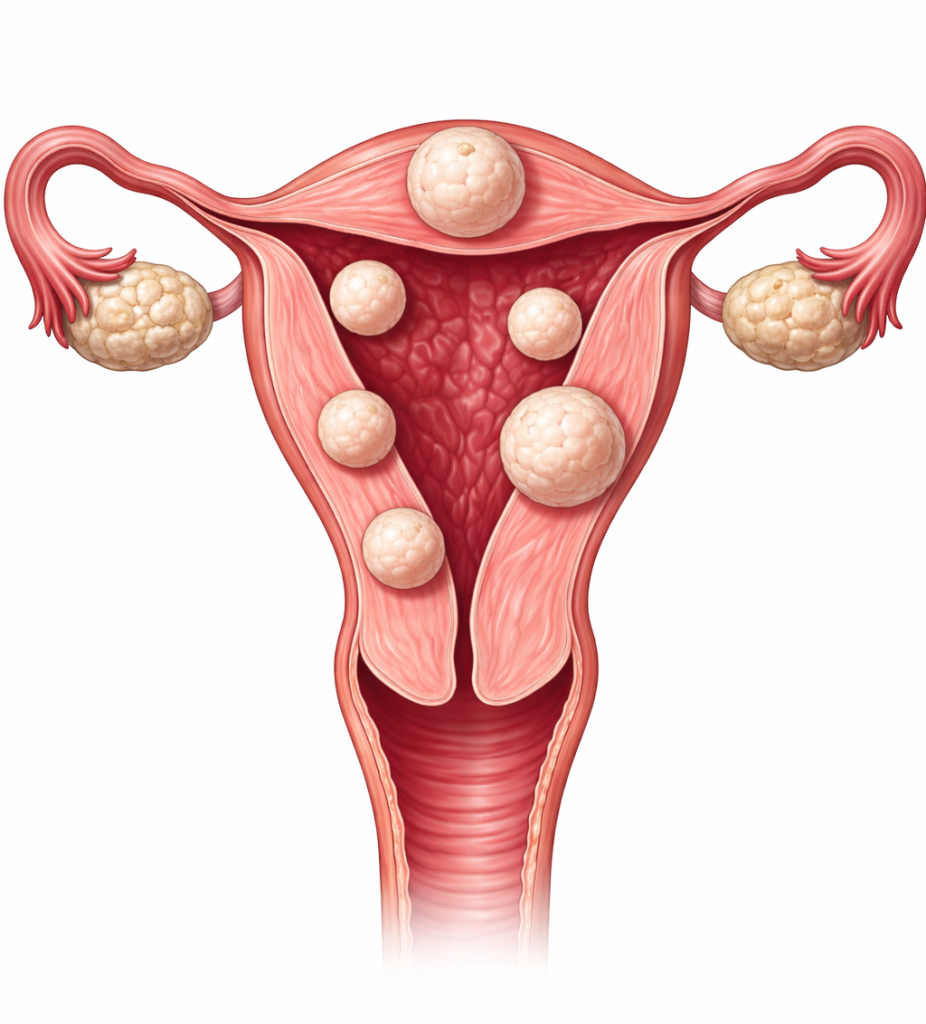
Uterine fibroids are benign growths of muscle and connective tissue that develop in the uterus. They’re common, affecting an estimated one in five women of childbearing age, according to MedlinePlus. Symptoms include:
- Heavy menstrual bleeding, longer periods, and bleeding between periods
- More frequent urination
- Pelvic cramping
- Painful periods
- Pressure or fullness in the lower abdomen
- Pain during intercourse
Fibroids can cause lower back pain if they press against nerves and muscles in the lower back. This most often occurs with subserosal fibroids, which form outside of the uterus.
Risk Factors
- Being in your late 30s or early 40s
- Being African American
- Family history of fibroids
- Early menstruation onset
- Obesity
- Vitamin D deficiency
Treatment and Long-Term Management
- Medications, including OTC pain medication, hormonal treatment (like birth control pills), and GnRH agonists
- Fibroid surgery (myomectomy) for large fibroids
Reproductive Emergencies: Ectopic Pregnancy and Ovarian Torsion
Ectopic pregnancy and ovarian torsion are medical emergencies that can cause sudden severe back pain, among other symptoms.
Ectopic Pregnancy
Ectopic pregnancy occurs when a fertilized egg implants outside of the uterus, usually in the fallopian tube. It’s a life-threatening medical emergency that occurs in 1% to 2% of U.S. pregnancies, according to StatPearls, and requires prompt treatment with medication (methotrexate) or surgery to remove the pregnancy.
If you experience symptoms of ectopic pregnancy, seek immediate medical care:
- Severe lower abdominal pain (particularly on one side)
- Lower back pain
- Shoulder pain
- Vaginal spotting or bleeding
- Weakness, dizziness, or fainting
Ovarian Torsion
Ovarian torsion occurs when an ovary twists around its supporting ligaments, which can cut off blood supply. It requires emergency surgery to prevent losing the ovary, and a 10-year review found that it accounted for 2.7% of surgical emergencies at a women’s hospital.
Go to the ER if you experience ovarian torsion symptoms, including:
- Sudden, severe abdominal pain that may radiate into the lower back
- Nausea and vomiting
If the ovary begins to die, you may experience fever and abnormal vaginal bleeding or discharge.
Spine and Nerve-Related Causes of Sudden Back Pain
Aside from back strains and sprains, which affect the soft tissues of the back, spinal conditions that may trigger lower back pain include herniated disc, sciatica, spinal stenosis, spondylolisthesis, and vertebral compression fractures.
Herniated Disc, Sciatica, Spinal Stenosis, Spondylolisthesis
- Herniated disc (AKA ruptured or slipped disc) occurs when the soft disc interior presses out through a crack in the tough disc exterior.
- Symptoms: lower back pain, tingling, numbness, weakness in the legs or feet
- Sciatica refers to compression of the sciatic nerve, the nerve that extends from the lower back through the buttocks and legs.
- Symptoms: radiating pain, tingling, numbness, burning, weakness in the affected leg or foot (symptoms are usually unilateral, affecting only one side of the body)
- Spinal stenosis occurs when the spinal canal narrows, often due to spinal degeneration, osteoarthritis, or degenerative disc disease
- Symptoms: lower back pain, tingling, numbness, muscle weakness, leg cramping
- Spondylolisthesis develops when a vertebra slips out of position due to spinal instability
- Symptoms: lower back pain, sciatica, back stiffness, numbness, weakness, tingling, foot drop
Risk Factors
Risk factors for spine disorders include:
- Older age (over 90% of people have some disc degeneration by age 60)
- Being overweight or obese
- A sedentary lifestyle
- Poor posture
- Smoking
- Poor diet
- Careers involving heavy lifting
- Exercise-related overuse
- Underlying medical conditions, like rheumatoid arthritis or thyroid disease
Treatment and Long-Term Management
For most spine conditions, treatment options include physical therapy, medications, lifestyle adjustments, alternative remedies, and surgery.
- Physical therapy
As a drug-free, non-surgical treatment for pain and lost mobility, physical therapy is widely used for spine conditions. Physical therapy for conditions like spinal stenosis and herniated disc involve strengthening the core and back muscles, which support the spine. Your PT will also work with you to improve your range of motion, providing stretches and home remedies (like heat therapy) to boost your mobility.
- Medications
Medications can help you manage pain from spinal conditions. Doctors often recommend them alongside physical therapy to preserve your quality of life while your body heals. Sometimes, for those with chronic spine conditions, medications may be suggested for long-term pain management.
- NSAIDs and analgesics are available at over-the-counter and prescription strengths for back pain.
- Doctors may also prescribe muscle relaxants to calm muscle spasms—a common spinal stenosis symptom.
- Corticosteroid injections can provide a dramatic improvement in pain and inflammation, but should be used sparingly to prevent complications.
- Lifestyle adjustments
Lifestyle adjustments can help lower your pain levels and deter spine conditions from progressing. Key components of a healthy lifestyle for spine health include:
- Nutritious diet
- Low-impact exercise regimen
- No smoking and limited alcohol intake
- Consistent sleep schedule
- Proper posture
- Alternative remedies
When Western medicine isn’t sufficient for symptom relief, many people turn to alternative remedies. Thankfully, methods like massage therapy, acupuncture, and chiropractic care offer proven benefits for back pain (as long as you see a trained, qualified provider). Alternative medicine can help with spine conditions by reducing inflammation, supporting the body’s healing process, and encouraging natural pain relief.
- Surgery
In severe cases, surgery may be necessary to resolve lower back pain from spinal conditions. For conditions like spinal stenosis, spondylolisthesis, and herniated disc, spinal decompression surgery removes tissue that’s impinging on spinal nerves. This type of surgery is often followed by spinal fusion to restabilize the spine, although this involves permanently fusing two (or more) vertebrae.
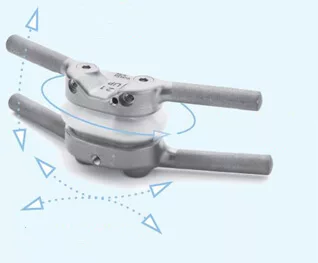
To sidestep the lengthy recovery period, risks, and diminished mobility that come with spinal fusion, people with lumbar spondylolisthesis or spinal stenosis can consider the TOPS System. As an alternative to spinal fusion, it creates a controlled range of spinal motion without permanently impacting your ability to bend, twist, or flex. The device replaces the tissues removed during spinal decompression surgery to alleviate pain, restore mobility, and dramatically improve quality of life.
Prevention
Prevention strategies for spine conditions that can cause lower back pain in females include:
- Maintaining a healthy weight
- Quitting smoking
- Eating a balanced diet
- Exercising regularly with low-impact workouts
- Strengthening the core and back muscles
- Improving your posture
- Avoiding a sedentary lifestyle and taking frequent breaks from sitting
Compression Fractures
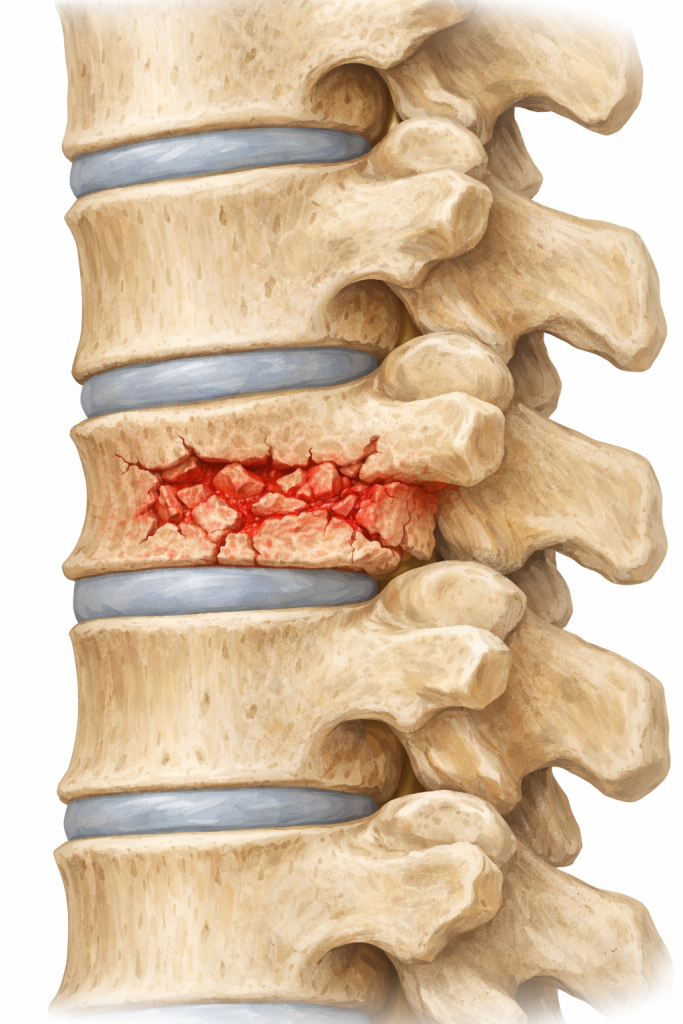
Compression fractures are small fractures in the vertebrae caused by weakened bones, usually due to osteoporosis. They can cause sudden lower back pain or back pain that gradually worsens, along with reduced spinal movement, a stooped posture, and symptoms of nerve damage.
An American Academy of Family Physicians study found that vertebral compression fractures impact over 700,000 Americans each year, and they’re the most common osteoporosis complication.
Risk Factors
Post-menopausal women are at a heightened risk of osteoporosis and, therefore, compression fractures due to reduced estrogen levels (estrogen is essential for bone density in women). Other risk factors include:
- Early menopause
- Past fractures
- Smoking/nicotine use
- Calcium and vitamin D deficiencies
Treatment and Long-Term Management
Treatment options for compression fractures vary based on fracture severity, but may include:
- Medications, like NSAIDs or bisphosphonates (to slow bone loss)
- Physical therapy
- Back bracing
- Surgery to stability the spine (like vertebroplasty)
Understanding Cauda Equina Syndrome, a Medical Emergency
Cauda equina syndrome is a medical emergency that occurs when the cauda equina, a bundle of nerve roots at the base of the spinal cord, becomes compressed. Possible causes include a herniated disc, spinal stenosis, spinal infections, spinal tumors, spinal hemorrhages, spinal anesthesia, traumatic lower back injuries, and complications from lumbar spine surgery.
Left untreated, cauda equina syndrome can cause permanent nerve damage. Go to the ER immediately if you experience its symptoms, which include:
- Saddle anesthesia (numbness in the inner thighs, buttocks, and perineum)
- Loss of bladder or bowel control
- Progressive leg weakness, numbness, or pain
- Severe lower back pain and sciatica
- Sexual dysfunction
Pregnancy and Menstruation
PMS, PMDD, dysmenorrhea, and pregnancy, can trigger lower back pain in women.
PMS and PMDD
- PMS (premenstrual syndrome) is a common cause of lower back pain in women, likely due to uterine contractions and increased inflammation. These muscular contractions can radiate from the uterus to the lower back. According to Harvard Health, around 20% of women and girls experience PMS.
- PMDD, (premenstrual dysmorphic disorder) is a severe type of PMS, with symptoms that tend to be similar to PMS symptoms, including lower back pain, but are more debilitating. An estimated 1.6% of women and girls experience PMDD symptoms, according to a Journal of Affective Disorders review.
Risk Factors
- A family history of PMDD
- Depression
- Anxiety
- Mood disorders
- Consuming caffeine more than three times weekly
Treatment and Long-Term Management
PMS and PMDD are often treated with a combination of methods, including:
- Medications, including NSAIDs, birth control pills, or antidepressants
- Dietary changes, often including more protein, less caffeine, and less sugar
- Supplements, including calcium, magnesium, and vitamin B6
- Exercise
Prevention
These strategies may help prevent PMS and PMDD, or reduce the severity of your symptoms:
- Upping your protein and complex carbohydrate intake while lowering your caffeine, alcohol, sugar, and salt intake
- Sticking to a consistent sleep schedule
- Exercising regularly, particularly with aerobic exercise
- Managing stress through healthy lifestyle habits, mindfulness, and deep breathing
Dysmenorrhea
Dysmenorrhea is the medical term for painful menstruation. While many women experience pain during menstruation, dysmenorrhea involves pain that’s severe enough to disrupt their normal activities. With this condition, women tend to feel severe uterine cramps that may radiate into the lower back.
Risk Factors
- Smoking
- Drinking alcohol during menstruation
- Starting menstruation before age 11
- Being overweight or obese
Treatment and Long-Term Management
The first line of defense against dysmenorrhea is heat therapy and exercise. If pain persists, your doctor may recommend medications including NSAIDs, acetaminophen, or hormonal contraceptives, like birth control pills. They may also suggest these lifestyle adjustments for long-term symptom management:
- Limiting caffeine and alcohol consumption
- Quitting smoking
- Regular exercise
Women who have secondary dysmenorrhea, which is caused by an underlying reproductive condition, will need to treat the condition causing their symptoms. This may involve different medications or procedures, depending on the root cause.
Prevention
The most effective way to prevent dysmenorrhea is to lead a healthy lifestyle by:
- Exercising regularly, ideally with a combination of aerobic and strengthening workouts
- Eating a balanced diet and limiting caffeine, alcohol, and sugar
- Managing stress levels through self-care
- Considering hormonal birth control, as recommended by your doctor
Pregnancy-Related Back Pain
50% to 80% of pregnant women experience back pain, according to Cedars Sinai. Sudden back pain during pregnancy can be caused by:
- Higher levels of the hormone relaxin causing loosening pelvic, back, and abdominal ligaments, contributing to weakness and instability
- Shifting center of gravity and weight distribution
- Poor posture from stretched, weakened abdominal muscles
- The fetus’s head pressing on the sciatic nerve (typically causing shooting lower back and leg pain)
When to See a Doctor for Back Pain During Pregnancy
Call your doctor right away if you experience any of these symptoms during pregnancy:
- Severe, sudden, or worsening pain
- Back pain that doesn’t get better
- Painful urination or blood in urine
- Vaginal bleeding
- Fever or chills
What to Expect at the Doctor: Diagnostic Steps
To pinpoint the cause of your lower back pain, your doctor may use diagnostic methods including a physical exam, imaging tests, bloodwork, and/or urine testing.
- Physical exams typically involve a complete medical history, family history, an overview of your symptoms, and physical tests, like pressing on an area of the body to see if it triggers pain.
- Imaging tests, like X-rays, CT scans, and MRIs, allow your doctor to visualize the inside of the body to pinpoint abnormalities and identify the source of your pain.
- Bloodwork can reveal markers for certain conditions – for example, elevated white blood cell counts point to an infection.
- Urine testing is widely used to diagnose kidney stones and infections.
David danced at his son’s wedding Bonnie explains why TOPS surgery was the right decision for her Wade is back to hiking Scott speaks about going to surgeryInspired by motion, driven by innovation


Regain your mobility with Premia Spine! Contact us now
Premia Spine TOPS System is an FDA-approved spinal implant that helps treat spondylolisthesis and spinal stenosis.
At-Home Relief and Prevention
When formal medical care isn’t necessary, rest, heat and cold therapy, and thoughtful lifestyle choices can help you calm lower back pain at home.
Heat vs. Cold Therapy
| Heat vs. Cold Therapy for Lower Back Pain in Women | ||
| Cold Therapy (Ice Pack) | Heat Therapy (Heating Pad/Hot Water Bottle) | |
| Ideal Timing | First 24 to 72 hours after acute injury | After initial inflammation subsides (after ~72 hours) |
| Main Goals | Reduce inflammation, temporarily numb pain | Reduce muscle tension, calm spasms, improve mobility |
| How it Works | Constricts blood vessels (vasoconstriction) to reduce swelling | Dilates blood vessels (vasodilation) to boost blood flow to injured tissue |
| Application | 15 to 20 minutes every 1 to 2 hours, with a cloth between your skin and ice pack | 15 to 30 minutes 2 to 3 times daily; never fall asleep while using heat |
| When to Avoid | If you have poor circulation, nerve damage, diabetes | If the injury is swollen, bruised, or an open wound; if you have dermatitis, diabetes, heart failure, deep vein thrombosis, peripheral vascular disease |
The Best Sleeping Positions for Acute Lower Back Pain
The best sleeping positions for acute lower back pain are:
- Back sleeping with a pillow under your knees
- Pros: neutral spine, even weight distribution
- Side sleeping with a pillow between your knees
- Pros: prevents spinal misalignment for side-sleepers
The worst sleeping positions for back pain are:
- Stomach sleeping
- Cons: forces your lower back into a deep arch
- Tip: If you can only sleep on your stomach, position a pillow under your pelvis to prevent a deep spinal arch.
- Cons: forces your lower back into a deep arch
- Side sleeping with straight legs
- Cons: spinal twisting
- Tip: To side-sleep safely, keep a slight bend in your knees with a pillow between your top and bottom knees.
- Cons: spinal twisting
Movement vs. Rest with Lower Back Pain
It’s usually better to move with lower back pain as a woman.
Physicians recommend low-impact exercise for many cases of lower back pain in women. Lower back pain from PMS, for example, greatly benefits from gentle movement, like yoga or walking.
But if you experience lower back pain from an acute injury as a woman, you may need to rest to prevent further damage. If you’re unsure or your pain doesn’t go away within two weeks, contact a spinal specialist in your area.
Next Steps
If you experience lower back pain that’s unbearable, doesn’t improve over time, or occurs with other concerning symptoms (like fever, chills, unexplained weight loss, fainting, bowel/bladder function changes, etc.) call your doctor immediately or head to the nearest emergency room to ensure you receive the care you need.
FAQs
- Can a UTI cause lower back pain?
- Yes, especially if the infection travels to the kidneys (pyelonephritis).
- How do I know if my back pain is serious?
- If it’s debilitating, keeps getting worse, or occurs with more serious symptoms like fever, chills, or bowel/bladder function changes
- Why does my back hurt suddenly without an injury?
- Poor posture, stress, PMS/PMDD, or underlying medical conditions, (like herniated disc, spinal stenosis, endometriosis, or uterine fibroids) are possible causes.
- What virus gives you lower back pain?
- COVID-19 and influenza may cause aches and pains, including back pain.
- What causes female back pain at night?
- Poor sleeping posture, unsupportive mattresses, PMS/PMDD, spinal conditions, or injuries (like muscle strains) are possible causes.