



How do I Care for Myself at Home After My Spinal Surgery?
Patients scheduled for back surgery are rightfully concerned about their recuperation and how they will care for themselves once home after the spinal surgery procedure. This is an important subject to discuss with your spine surgeon.
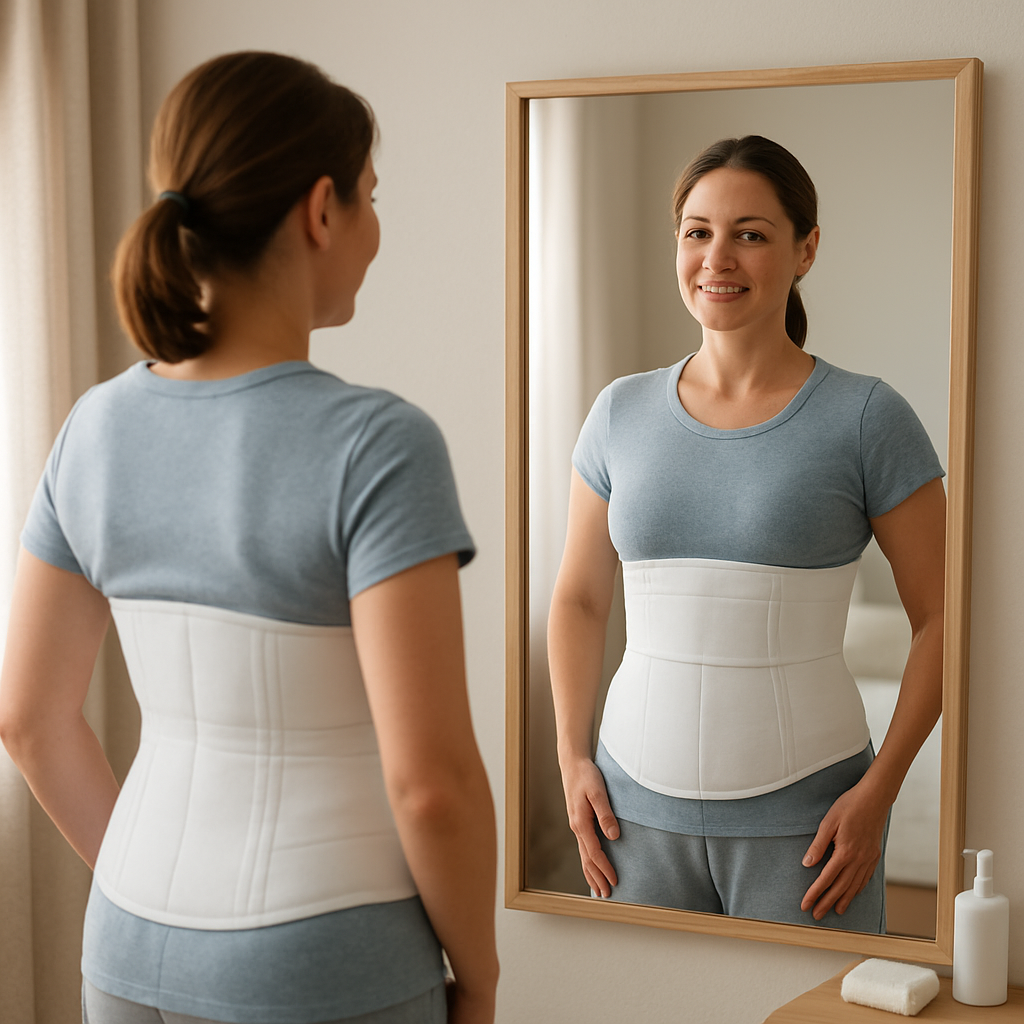
Post-Surgery Care Basics
Some general rules apply to all patients following back surgery. First and foremost, plan on taking an active role in your recovery, and that starts by getting into shape before your back surgery. With your surgeon, physical therapist, and others, discuss what activities you can engage in, as well as restrictions you need to observe. If you don’t have someone who can provide the assistance you will need in the first days after your return home following back surgery, you can talk to your doctor about in-home care.
Creating a Recovery-Friendly Home Environment
Adjusting and preparing your home to facilitate healing will set you up for success. Follow these tips to create a recovery-friendly environment:
- If your bedroom is currently on the upper floor of your home, set up a temporary bedroom on the ground level. This will spare you from having to climb stairs in the early stages of recovery. You may also need to adjust your bed’s height so you can get in and out of it easily.
- Plan and complete your laundry ahead of time. Laundry will be much more difficult to do after the procedure when you’re in the early stages of healing.
- Place essential items (clothing, food, water, books, TV remotes, etc.) at hip height, ensuring you won’t have to bend or strain to reach them.
- Eliminate all tripping hazards, including cords, wires, rugs, loose floorboards, and clutter, as a fall could be detrimental to your recovery.
- Meal prep by storing nutritious, easy-to-prepare meals in the freezer. Alternatively, plan for a loved one to take over cooking while you recover. It’s also wise to stock your pantry with healthy, easy-to-access snacks.
Daily Activity Modifications After Spinal Surgery
You won’t be completely bedridden after spinal surgery; In fact, it’s best to avoid long stretches of bed rest to prevent lost mobility and muscle atrophy. But you’ll need to adhere to significant activity restrictions to avoid overexerting the spine as it heals.
Walking is the best physical activity during the first six weeks post-surgery. It helps keep your blood flowing without straining your spine. Start slowly and work up to 30 minutes at least twice a day. While some soreness is normal, stop if you experience significant discomfort while walking and talk to your doctor.
Avoid twisting and bending during this time, and avoid lifting, pushing, or pulling anything that weighs more than ten pounds. These activities place significant impact on the spine and could sabotage healing.
Pain Management Techniques at Home
Some pain is normal after spinal surgery as your body works hard to repair damaged tissue. While you should follow your surgeon’s specific guidelines for at-home pain management techniques, they often include pain medications, cold/heat therapy, and relaxation exercises.
Pain Medication Considerations
You will be prescribed pain medications after spinal surgery, which may include painkillers to help manage discomfort or muscle relaxants to help prevent spasms. As you adjust to life post-surgery, take all medications as advised and let your body rest. You may require frequent naps, as your body recovers from the stress of surgery, and narcotic pain medications induce drowsiness.
But pain medications can also have negative side effects, and continued use may prolong recovery time and lead to dependency. Narcotic pain medications cause constipation. Weaning yourself off pain medication should be a recuperation goal. Make sure you drink plenty of fluids during this recovery period. You should be off pain medication three months after surgery.
Cold and Heat Therapy
Cold and heat therapy are time-tested remedies to help with pain and inflammation. Cold therapy is often recommended in the early healing stages, as it brings down inflammation and provides a temporary numbing effect. Research even suggests that cold therapy may help reduce opioid use for pain management after spine fusion.
To safely reap the benefits of cold therapy after spinal surgery, make sure to wrap the ice pack to prevent direct contact with your skin. Ensure the wrap is dry, as you’ll need to keep your incision dry after the procedure, and limit sessions to 20 minutes. Talk to your surgeon for more cold therapy safety tips.
Heat therapy can be used in the later stages of your recovery, once the incision has healed. It boosts blood flow to the area and calms muscle tension, both of which can help with post-operative pain. Protect your skin from direct contact with the heating pad and don’t heat the area for longer than 15 to 20 minutes.
Relaxation Exercises
Relaxation exercises like mindfulness meditation, breathing exercises, and guided imagery can help with pain sensitivity after spinal fusion. As a natural, drug-free way to manage pain, many people find relaxation exercises to be a helpful tool in their postoperative healing journey.
Essential Recovery Items and Equipment
Various items and equipment can help you move around the house and complete basic tasks more comfortably after surgery. Examples include:
- Grabber tool
- Walker or cane
- Shower chair
- Toilet riser
- Back scratcher
- Long-handled shoehorn
- Long-handled sponge
- Mini-fridge
Nutrition and Hydration for Optimal Healing
Your nutrition can help or hinder your body’s ability to heal after spinal surgery. Along with staying hydrated throughout the day with water, electrolyte drinks, and herbal tea, fill your diet with nutrient-dense foods like:
- Whole grains
- Vegetables
- Fruits
- Beans and other legumes
- Nuts and seeds
- Low-fat dairy products
- Lean protein sources, including chicken, turkey, and fish
Sleep Positioning and Comfort Tips
Falling asleep comfortably can feel like an uphill battle after spinal surgery, but it’s crucial to tissue regeneration and healing. The first step is to find a good sleeping position: Generally, the best sleeping position after spinal surgery is on your back with your knees bent and a pillow under your knees for support. This provides the best support for your spine and prevents extra stress on the lumbar spine.
If you struggle to fall asleep on your back, try sleeping on your side with a pillow in between your knees. In this position, be careful to avoid twisting your spine, as it could lead to pain.
Wearing soft, loose-fitting clothing, using a white noise machine, and winding down before bed can all help you drift off in comfort after spinal surgery.
Simplify Post-Surgery Care With Advanced Spinal Procedures
Another step you can take to ease post-surgery care is to select the procedure with the best outcomes and fewest post-surgical complications for the treatment of your condition. For example, the TOPS (Total Posterior Solution) System has been shown in clinical studies around the world to provide better clinical outcomes than spinal fusion back surgery following spinal decompression therapy.

Regain your mobility with Premia Spine! Contact us now
TOPS is an approved implant that offers a means of stabilizing the spine after spinal decompression treatment. Unlike spine fusion surgery, the TOPS implant preserves the independent movement of the vertebrae. Making sure you choose the procedure with the best clinical outcomes can help ensure you’ll have the best possible recovery.
David danced at his son's wedding Bonnie explains why TOPS surgery was the right decision for her Wade is back to hiking Scott speaks about going to surgeryRegain your mobility with Premia Spine!


But pain medications can also have negative side effects, and if continued, their use will prolong recovery time and lead to dependency. Narcotic pain medications cause constipation. Weaning yourself off pain medication should be a recuperation goal. Make sure you drink plenty of fluids during this recovery period. You should be off pain medication three months after surgery. Walking is the best physical activity during the first six weeks post-surgery. Start slowly and work up to 30 minutes at least twice a day. Avoid twisting and bending during this time, and avoid lifting, pushing, or pulling anything that weighs more than ten pounds.
Another step you can take to ease post-surgery care is to select the procedure with the best outcomes and fewest post-surgical complications for the treatment of your condition. For example, the TOPS (Total Posterior Solution) System has been shown in clinical studies around the world to provide better clinical outcomes than spinal fusion back surgery following spinal decompression therapy. TOPS is an approved implant that offers a means of stabilizing the spine after spinal decompression treatment. Unlike spine fusion surgery, the TOPS implant preserves independent movement of the vertebrae. Making sure you choose the procedure with the best clinical outcomes can help ensure you’ll have the best possible recovery.