



Why Does My Lower Back Hurt on the Right Side?
Lower back pain on the right side can result from musculoskeletal (back sprains, strains, herniated disc, sciatica, etc.), organ (kidney stones, appendicitis, liver conditions), gynecological (endometriosis, ovarian cyst, etc.), or male-specific (testicular torsion, prostatitis) factors. While simple sprains and strains are the most common and often resolve on their own with home care, it’s crucial to watch out for red flag symptoms that require immediate attention, like sudden, severe pain, changes in bladder or bowel function, or rapidly progressing numbness or weakness.

Below, we’ll go over each possible cause of lower right back pain in detail, along with treatment options, prevention strategies, and when to visit a doctor.
| Red Flag Symptoms: When to Go to the ER | ||||||
| Neurological Condition | Infection | Testicular Torsion | Abdominal Aortic Aneurysm (AAA) | |||
| Fever, chills, nausea, vomiting, sudden, severe pain | Sudden, severe abdominal/lower back/flank pain, pulsing abdominal mass, Dizziness, Fainting, Nausea, Vomiting, Rapid heartbeat, Shortness of breath | Sudden, severe testicular/scrotum pain, nausea, vomiting, testicular swelling/tenderness, abnormal testicular position | Sudden, severe abdominal/lower back/flank pain, pulsing abdominal mass, Dizziness, Fainting, Nausea, Vomiting, Rapid heartbeat, Shortness of breath | |||
Musculoskeletal Causes of Lower Right Back Pain
Sprains and Strains
Back sprains and strains are the most common causes of lower back pain. A back sprain is a stretched or torn ligament; a back strain is a stretched or torn tendon or ligament. These prevalent injuries can range from mild to severe, but usually resolve within a few weeks of home care. Symptoms include:
- Lower back pain
- Stiffness
- Reduced range of motion
- Muscle spasms
- Tenderness
Lumbar Herniated Disc & Degenerative Disc Disease
Lumbar herniated disc and degenerative disc disease are conditions affecting the intervertebral discs that absorb impact in the spine.
- A herniated disc occurs when a spinal disc bulges or ruptures and protrudes into the spinal canal. It may press on nearby nerves, causing back pain, stiffness, tingling, weakness, or numbness.
- Degenerative disc disease (DDD) is an umbrella term used to describe chronic pain from a damaged spinal disc. It can cause back pain and neurological symptoms, which may occur on one or both sides of the body.
Spinal Stenosis
Spinal stenosis is the abnormal narrowing of the spinal canal, either due to age-related spinal changes, degeneration, or genetics. If the spinal canal constricts a nerve or the spinal cord, you may experience lower back pain, as well as radiating neurological symptoms. Lumbar spinal stenosis affects an estimated 11% of older adults in the United States, according to JAMA.
Sacroiliac Joint Dysfunction
Sacroiliac joint dysfunction refers to too much or too little movement in the sacroiliac joint, which is located at the bottom of the spine and links the sacrum to the pelvis. It can cause lower back and/or hip pain, usually on one side. Other possible symptoms include:
- Numbness
- Tingling
- Weakness
- Sensation of leg instability
- Pain while transitioning from sitting to standing
Sciatica
Sciatica (also called lumbar radiculopathy) is compression of the sciatic nerve, the nerve that extends from the lower back through the hips and down the backs of both legs. It’s common, affecting up to 40% of people at some point in life. While it can affect both sides, sciatica is usually unilateral, meaning it affects one leg, and the most common symptom is sharp, burning, or shooting pain along the path of the nerve.
Osteoarthritis of the Lumbar Spine
Osteoarthritis (also known as wear and tear arthritis) occurs when the cartilage that protects your joints wears away over time, leading to pain, stiffness, and reduced mobility. Lumbar osteoarthritis is common, with a prevalence rate of 40 to 85%, and it can cause unilateral or bilateral pain.
Facet Joint Syndrome
Also called facet syndrome, facet joint syndrome involves degeneration of the facet joints, usually due to arthritis. The facet joints are located along the back of the spine and link the vertebrae together, allowing the spine to safely twist and bend. Lumbar facet syndrome can cause the following symptoms:
- Lower back pain, usually on one side
- Pain that radiates to the upper legs
- Back stiffness
- Muscle spasms
Myofascial Pain Syndrome
Myofascial pain syndrome (MPS) is a pain disorder affecting the muscle tissue and fascia that surrounds it. Fascia is a thin type of connective tissue that encases muscles, nerves, organs, bones, and blood vessels. Medical experts think that with MPS, the site of the tissue strain or damage causes a trigger point to form, leading to referred pain (pain in other areas of the body).
With MPS, you may experience localized pain in one or multiple muscle groups, including the lower back muscles. MPS pain can feel different for different people; it may be sharp and sudden or constant and dull. The pain may be described as throbbing, aching, tight, or tender.
Spondylolisthesis
Spondylolisthesis occurs when a vertebra slips downward, out of its regular position. This can compress nearby spinal nerves, leading to back pain. Sometimes, this pain only occurs on one side of the body.
The most common spondylolisthesis symptoms include:
- Lower back pain
- Sciatica
- Stiffness
- Difficulty standing or walking for prolonged periods
Organ Causes of Right-Sided Lower Back Pain
Kidney Stones
Kidney stones are deposits of salts and minerals that develop inside the kidneys, which are located just under the rib cage on either side of the spine. Kidney stones are common, affecting an estimated one in 10 people at some point in life, and many of them pass through urine (although passing them can be very painful). In some cases, you may need prescription medications or even a procedure to break up and pass a kidney stone.
Along with pain in your lower back, side, or abdomen, kidney stones can cause:
- Blood in urine
- Nausea
- Vomiting
- Pain with urination
- Difficulty urinating
- Frequent urination
- Fever and chills
- Cloudy, odorous urine
If you experience the symptoms listed above, go to the emergency room, as they can point to an infection or blockage.
Kidney Infection (Pyelonephritis)
Kidney infections, also called pyelonephritis, can cause pain in the flank and/or one side of the lower back, depending on which kidney is affected. Other symptoms may include:
- Fever
- Chills
- Nausea
- Painful or frequent urination
Seek immediate medical care for these symptoms, as kidney infections require antibiotics to prevent complications. Keep in mind that kidney infections usually result from bacteria traveling upward through the urinary tract, and untreated urinary tract infections (UTIs) are one of the most common causes.
Appendicitis
Appendicitis is an infection of the appendix, a small pouch of tissue connected to the large intestine. It occurs in an estimated 8.6% of men and 6.7% of women, according to StatPearls.
Pain from appendicitis typically begins around the navel, then sharpens and moves toward the lower right side of the abdomen. It can travel to the lower back, hamstring, and rectum. Other symptoms of appendicitis include:
- Fever
- Vomiting
- Loss of appetite
- Diarrhea
- Constipation
- Gas
- Bloating
- Swollen abdomen
Appendicitis is a medical emergency and requires immediate treatment to prevent life-threatening complications.
Liver Conditions
Liver pain can manifest in the lower right back, although it’s more likely to occur in the upper right side of the back or abdomen. It’s often accompanied by dark urine, yellowing of the eyes and skin, and swelling in the lower extremities. Contact your doctor immediately if you suspect your back pain is related to a liver issue.
Pancreatitis
Pancreatitis, inflammation of the pancreas, typically causes abdominal pain, which might radiate to the back. Most often caused by gallstones and heavy drinking, this condition may either be acute or chronic, with the two causing different symptoms (in addition to abdominal pain).
Possible symptoms of acute pancreatitis include:
- Nausea
- Vomiting
- Rapid heartbeat
- Fever
- Quick, shallow breathing
Possible symptoms of chronic pancreatitis include:
- Pain and indigestion after eating
- Poor appetite
- Unintentional weight loss
- Stools that leave an oily residue in toilet
- Lightheadedness
Ulcerative Colitis
Ulcerative colitis (UC), a chronic inflammatory bowel disease that causes chronic inflammation and ulcers in the large intestine, can cause back pain. UC-related lower back pain usually stems from inflammation that spreads from the large intestine to the spinal joints. Other possible symptoms of UC include:
- Diarrhea
- Blood in stool
- Rectal bleeding
- Abdominal pain and cramping
- Passing mucus or pus with stool
- The constant urge to have a bowel movement, even if the bowel is empty (tenesmus)
- Urgent need to pass a bowel movement
An estimated 600,000 to 900,00 people in the U.S. have UC, according to the National Institute of Diabetes and Digestive and Kidney Diseases. As a chronic, lifelong condition, it typically causes flare-ups and periods of remission. There’s no cure, but you can work with a doctor to manage your symptoms.
Abdominal Aortic Aneurysm
An abdominal aortic aneurysm, or AAA, occurs when the lower portion of the aorta weakens and bulges. This results from the gradual weakening of the aortic wall, often due to factors like aging, tobacco use, and underlying medical conditions. According to Cleveland Clinic, AAAs occur in around 1.4% of people aged between 50 and 84 in the U.S.
While AAA is often asymptomatic, it can cause:
- Deep pain in the lower back or belly
- Leg, groin, or pelvic pain
- Pulsing sensation in the abdomen
Left untreated, AAA can lead to an aneurysm rupture, which is a medical emergency. Go to the emergency room if you experience:
- Severe lower back, belly, or leg pain
- Rapid heartbeat
- Shortness of breath
- Dizziness
- Fainting
- Nausea
- Vomiting
- Sweating and clammy skin
What Causes Lower Right Back Pain in Women?
Female-specific causes of right-sided lower back pain include endometriosis, ovarian cysts, uterine fibroids, and pregnancy.
Endometriosis
Endometriosis is a chronic condition that occurs when uterine lining tissue grows outside of the uterus. Affecting an estimated 10% of reproductive-age women globally, according to the World Health Organization, endometriosis can cause symptoms including:
- Pelvic pain, which can be intense and usually worsens before and during menstruation
- Highly painful menstrual cramps
- Abdominal or back pain
- Painful sex (dyspareunia)
- Painful urination
- Pain during bowel movements
- Infertility
- GI discomfort, like constipation and bloating
Back pain from endometriosis often occurs in the lower back from endometrial tissue pressing on the pelvic nerves.
Ovarian Cysts
Ovarian cysts are fluid-filled sacs that form on or inside the ovaries. They’re common, affecting an estimated 10 out of 100 women. While most are benign and asymptomatic, possible symptoms include:
- Heavy or irregular menstrual periods
- Spotting
- Abdominal swelling or pressure
- Painful urination
- Constipation
- Dull, achy lower back pain (caused by inflammation or pressure on nearby tissues)
Uterine Fibroids
Uterine fibroids are growths in the uterus. They’re common, affecting as many as two in five women of childbearing age. Small fibroids usually don’t trigger symptoms, but larger ones can cause lower back pain, along with:
- Heavy menstrual bleeding
- Painful menstruation
- Abdominal bloating
- Frequent urination
- Painful sex (dyspareunia)
- Inability to fully empty the bladder
- Chronic vaginal discharge
Lower Back Pain During Pregnancy
Around 70% of women experience back pain during pregnancy, according to BMC Pregnancy and Childbirth, due to factors including:
- Changing center of gravity
- Weight gain
- Increased levels of relaxin, a hormone that loosens muscles and ligaments in the back, pelvis, and abdomen to prepare for childbirth
- Stress
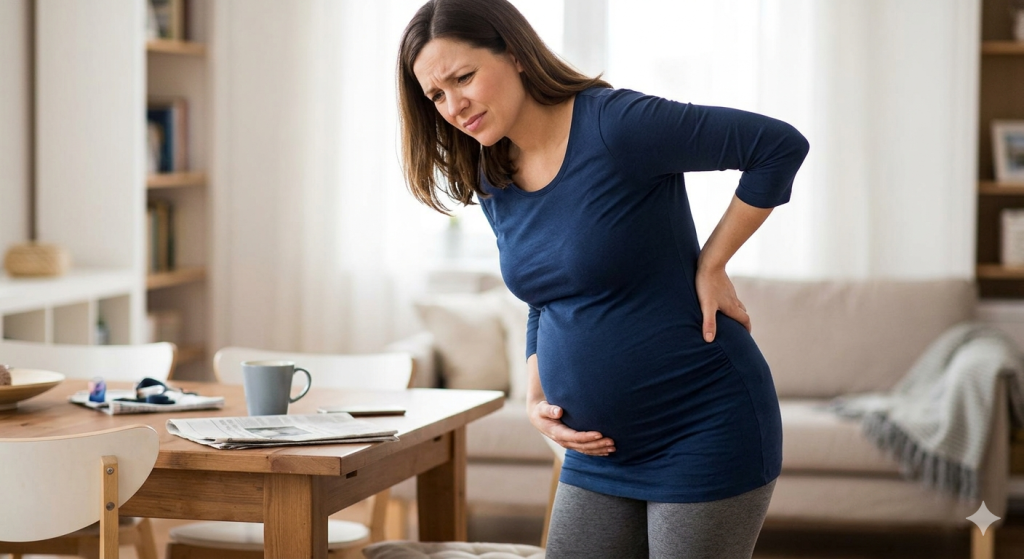
While back pain during pregnancy is very normal, contact your doctor if you experience:
- Intense or severe pain that disrupts your daily activity
- Sudden, sharp pain
- Cramping pain in your hips or abdomen
- Fever
- Painful urination
- Vaginal bleeding
What Causes Lower Right Back Pain in Men?
Testicular torsion and prostatitis are potential male-specific causes of lower right back pain.
Testicular Torsion
Testicular torsion occurs when the testicle twists, cutting off its blood supply. The most common symptom is sudden, one-sided scrotal pain, which may radiate to the lower back and abdomen.
While rare, testicular torsion is a medical emergency; visit the ER if you experience:
- Sudden, severe testicular pain
- Swelling on one side of the scrotum
- One testicle positioned higher than the other
- Visible bump on a testicle
- Nausea and vomiting
- Fever
- Abdominal pain
- Scrotal discoloration
Prostatitis
Prostatitis, inflammation of the prostate gland, affects an estimated 10% of men. It can be acute or chronic.
Chronic prostatitis symptoms include:
- Pain in the scrotum, penis, central/lower abdomen, and/or lower back
- Pain during or after ejaculation
- Pain during or after urination
- Urinary frequency or urgency
- Weak or interrupted urine stream
Acute bacterial prostatitis symptoms require immediate medical attention. They typically appear suddenly, are severe, and may include:
- Urinary frequency or urgency
- Fever
- Chills
- Pain in the scrotum, penis, central/lower abdomen, and/or lower back
- Burning or pain during urination
- Urinary retention
- Nausea
- Vomiting
- Inability to urinate
How to Tell if Lower Right Back Pain is Muscular or Organ-Related
Organ pain tends to feel deeper and more far-reaching than muscular pain. It also tends to have other symptoms, like fever, nausea, and a lack of appetite.
Muscular pain often gets worse with movement, while internal pain often isn’t impacted by movement. It’s also more localized, meaning you’re more likely to be able to pinpoint exactly where you’re feeling the pain.
If you’re not sure whether your pain is muscular or internal and it lasts for more than a few days, it’s best to visit a doctor for a medical evaluation.
| Organ Pain | Muscular Pain |
| Worsens with movement and pressure. More localized | Worsens with movement and pressureMore localized |
Diagnosing Lower Right Back Pain: What to Expect
To diagnose lower right back pain, physicians may implement physical tests, imaging, or blood testing.
- A physical exam includes a complete family history, medical history, review of symptoms, and hands-on tests (straight leg raise test, reflex test) to help find the root of your back pain.
- Imaging tests like an X-ray, CT scan, or MRI may be used to visualize the inside of the body and confirm a diagnosis or evaluate the severity of your condition.
- Blood testing may be used if other diagnostic methods point toward an infection, inflammatory disease, or other non-mechanical cause of back pain.
Treatment Options for Right-Sided Back Pain
Home Remedies
Mild to moderate musculoskeletal causes of right-sided back pain often resolve with at-home care, such as:
- Rest
- Heat/cold therapy
- Over-the-counter pain medication
- Topical pain relief creams
- Gentle stretches
If these methods don’t improve your back pain after a few weeks, it’s time to seek professional care.
Physical Therapy and Activity Modifications
Physical therapy (PT) is widely used to help resolve musculoskeletal conditions and injuries that don’t resolve with home care, and to help patients recover after surgery. PT involves a combination of:
- Targeted stretches and strengthening exercises to help correct imbalances and improve muscular support for the spine
- Manual therapy to help with muscle tension and stiffness
- Complementary therapies, like heat/cold therapy, transcutaneous electrical nerve stimulation (TENS), and dry needling
- Activity and lifestyle recommendations to support healing
Medications
Over-the-counter and prescription medications may be used to help treat lower right back pain. Examples include:
- NSAIDs or painkillers
- Oral steroids or steroid injections
- Antibiotics for infections
- Hormone therapy for endometriosis or ovarian cysts
Side effects, interactions with other drugs or supplements, and long-term complications are all important considerations before adding a medication to your routine. Always talk to your doctor before starting a new medication to ensure it’s safe for you.
Surgery

While rare, surgery may be the only remaining option for severe cases of certain conditions that don’t resolve with conservative methods.
- Emergency surgery may be required to resolve severe cases of kidney stones, appendicitis, pancreatitis, ulcerative colitis, AAA, endometriosis, ovarian cysts, uterine fibroids, and testicular torsion.
- Spinal decompression procedures (like laminectomy, microdiscectomy, and foraminotomy) may be implemented for spinal conditions like herniated disc, spinal stenosis, and spondylolisthesis. While these approaches are traditionally paired with spinal fusion to restore stability, modern innovations like the TOPS System are now available to create a controlled range of spinal motion without the reduced mobility and risk of adjacent segment degeneration associated with fusion.
David danced at his son's wedding Bonnie explains why TOPS surgery was the right decision for her Wade is back to hiking Scott speaks about going to surgeryRegain your mobility with Premia Spine!


Regain your mobility with Premia Spine! Contact us now
Prevention Strategies for Lower Right Back Pain
These lifestyle strategies can help mitigate risk factors for right-sided back pain.
- Maintain proper posture to help reduce gradual wear and tear on the spine.
- Be especially mindful while weightlifting or lifting heavy objects; always engage your core, lift with your legs, and don’t curve your spine.
- If you have a sedentary job, optimize your desk ergonomics with:
- A chair with lumbar support
- The screen positioned at eye level
- A standing desk to prevent prolonged sitting
- Exercise regularly (including low-impact cardio, stretching, and strengthening) to maintain physical fitness and mobility
- Eat a balanced, anti-inflammatory diet with whole grains, veggies, fruits, legumes, lean proteins, and healthy fats.
- Quit smoking and limit alcohol consumption.
When Should I Be Worried About Right Side Pain?
You may need to worry about right-sided pain if it’s accompanied by other warning signs of a serious condition, including:
- Fever
- Chills
- Loss of appetite
- Nausea
- Vomiting
- Bloody stools
- Yellowing of the eyes or skin
Other signs that indicate right-sided pain may require emergency medical care are:
- The pain is severe, occurs suddenly, or makes you bend over in pain.
- The pain spreads into other areas of the body.
- You notice swelling and/or tenderness in the abdomen.
FAQs
- What organ is on the lower right side of the back?
- The right kidney and part of the large intestine (colon)
- Is lower right back pain serious?
- Lower right back pain is usually caused by a muscle strain or sprain, but, less commonly, can be triggered by serious conditions like infections or kidney stones.
- Can appendicitis cause lower right back pain?
- Yes, appendicitis pain can radiate from the belly and right abdomen to the back.
- How do I know if my back pain is kidney-related?
- Kidney-related back pain typically feels like a constant, achy pain under the ribs, in the flank, and/or on one side of the spine that doesn’t change with different body positions.
- How long does lower right back pain usually last?
- Lower right back pain from a simple back strain or sprain usually lasts for two to four weeks. More severe conditions may last longer and require professional medical care.